
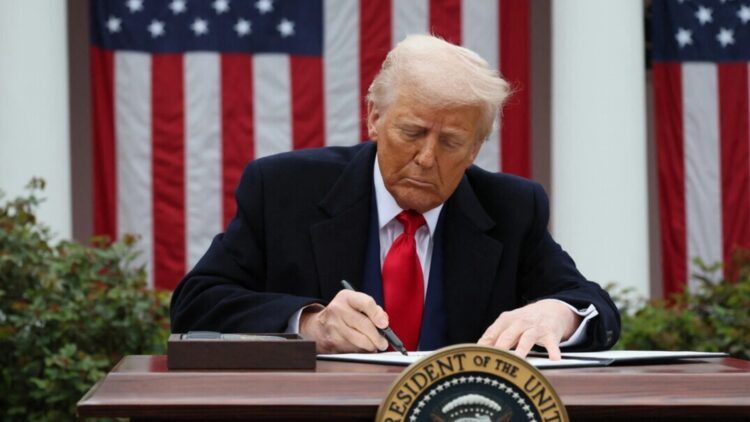
Trump has recently announced an important change on taxes that affect many supermarket products, right when American families are noticing everything is getting more expensive. In the last months, food prices have increased and many people are trying to spend less money or prepare simpler meals, so that they can make ends meet.
To try and soften this situation, President Donald Trump decided to cut tariffs (taxes that are applied to imported products) hoping some foods become more affordable. So, let’s explain this situation in more detail.
Trump’s decision
The government announced it is going to lower the tariff of several products that are normally sold at supermarkets, which means the price of those products would lower too. According to the official announcement, the products that won’t be affected by high tariffs anymore are foods the U.S. doesn’t produce in great amounts, like:
- coffee and tea.
- tropical fruits and fruit juices.
- cocoa and spices.
- bananas.
- oranges.
- tomatoes.
- beef.
- some fertilizers.
The White House explained that this decision is part of trade agreements negotiated by Trump with other countries. These agreements aim to create fairer trade relationships and improve the overall economy.
The reason for this change
The government pointed out that many countries that have trade agreements with the U.S. produce foods this country doesn’t produce enough. This is why removing tariffs on these products makes sense. What’s more, it explained the measure will help:
- Strengthen the economy.
- Support American farmers that export their products.
- Avoid extremely high prices in some imported foods.
In the announcement, the White House stated that Trump’s trade policies have removed unfair barriers and protected American workers.
According to experts…
Although Trump’s government says this measure will help lower prices, an economist called Dr. Howard Wall explained that it’s not something that will be immediately noticed. According to him, Inflation has been rising since April, it is now a little above 3% per year, and tariffs have been one of the factors making grocery prices go up.
Wall said the lowered tariffs can help in some products, mostly in foods like meat, bananas, and coffee. However, he warned that inflation will keep increasing prices a bit longer.
Affected families
Several people told local news reporters how they deal with these higher prices. For example:
- A woman told them that she she doesn’t buy as much as she used to and cooks simpler meals because she prefers to save money.
- A man commented that he does notice prices have increased, but he still buys whatever he wants if he needs it.
These experiences show that even prices dropping a bit will not completely solve the problem for families who already have to live with the pressure of inflation.
The government’s vision
While some experts doubt the immediate effects, the White House insists on the idea that Trump’s policies have been: strong, strategic, and fair. Also, they say that these policies have created “lasting wins” for American workers, strengthened the economy, and improved national security.
Basically
As grocery prices keep going up and families try their best to make their money last, the Trump Administration’s decision to lower tariffs on everyday food items brings a small bit of hope. It’s not a complete solution, and experts say that inflation and other tariffs will still influence prices, but it may help take a little pressure off people who are feeling the squeeze at the checkout line.
In the end, this moment highlights something important: even small changes in trade policy can ripple through grocery stores, kitchens, and family budgets. Whether the impact is big or small for each person, the hope is the same — that these decisions will help make everyday life a little easier for Americans who are feeling the squeeze. What do you think about Trump’s decision?