
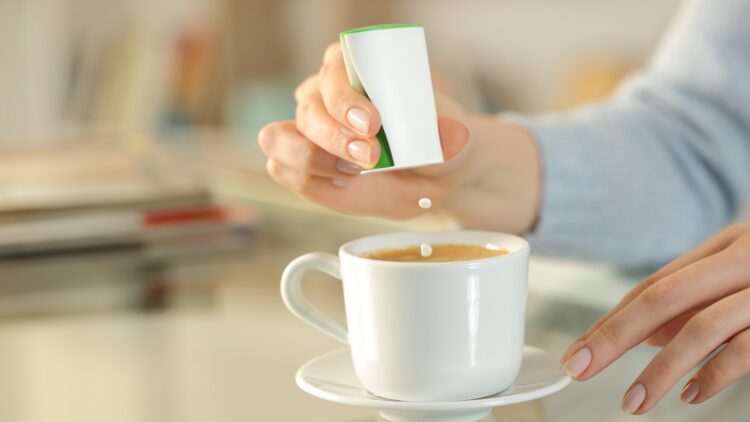
Who doesn’t like a hot coffee in the morning, a sweet treat, a chocolate drink, a pastry… but are we really aware of what we put into our bodies? We already know that sugars are bad in excess, and many people have chosen to replace them with sweeteners, but is it a better option? Or is it still just as bad? Now, a research has discovered that sucralose can be bad for our health. Below we are going to tell you what happens with this compound and what it does to our body.
What is sucralose?
We are talking about an artificial sweetener that is often found in products (such as drinks, desserts or candies) that are labelled as “sugar-free” (sugar-free but at what price). It was initially presented as a low-calorie alternative to sugar, promising the same sweet taste without the caloric effects of sugar. Now, researchers have discovered that the body produces a compound called sucralose-6-acetate when this sweetener is ingested, and that it can be genotoxic. Geno-what? Genotoxic means that it has the ability to damage our DNA.
The study was carried out by researchers at North Carolina State University, and they also investigated what the long-term effects of continuing to consume this chemical might be.
The impact on DNA
The experiments in the laboratory exposed human cells to this compound (sucralose-6-acetate) and the results were very clear: it damaged DNA. To make us aware of how dangerous it can be, we will put it into perspective. The European Food Safety Authority establishes that the toxic threshold for genotoxic compounds is 0.15 micrograms per person per day, and the scientists found that a single drink sweetened with sucralose exceeds this limit…
Does this harm our intestines?
Once it was discovered that this compound affects our DNA, more research was also done on the digestive system. Researchers ended up discovering that this compound weakens the intestinal walls, generating a problem known as “leaky gut,” which causes substances that our body considers waste to enter the bloodstream instead of being eliminated.
Can we still consume sucralose?
The evidence from this research has led scientists to question the safety of the compound, although it is an approved sweetener in many countries, these results suggest that it may be necessary to update regulations and consumer warnings for the future problems it may cause.
As Susan Schiffman, lead author of the study, points out, avoiding sucralose is a prudent recommendation until more information is obtained.
Are there alternatives to sucralose?
Sure, sugar itself, but, if you are one of those who are afraid, you could also opt for natural alternatives, such as honey, maple syrup or stevia, these could be a better alternative for those who intend to reduce sugar in their diets.
What do consumers think?
Most have been surprised by the results of this study because they understand that sucralose is something that is so present in the foods that are normally consumed that they will wait for more results of these studies to come out in order to make a decision in accordance with their lifestyle. For now, the community believes that consumption of this sweetener should be limited until it is ensured that consumption is healthy and does not put our lives at risk.
Sucralose has been an accepted alternative to sugar for many years, but now that its healthiness is under scrutiny, the best thing we could do would be to gradually eliminate it from our diets and replace it with something healthier. A spoonful of honey is good for anyone!