
Our furry four-legged friends are much more than just animals, they are part of our family. That is why we always try to give them the best quality and the best care, that is why, every time the news of contamination in our felines’ food comes out, we get very tense and all the alarms go off. Salmonella, in this case, is not only a danger for our pets but also for the humans who handle them… Well, this is happening in our country and it is affecting several states… We will tell you everything you need to know to protect your pet and your home below.
Tell me about this alert
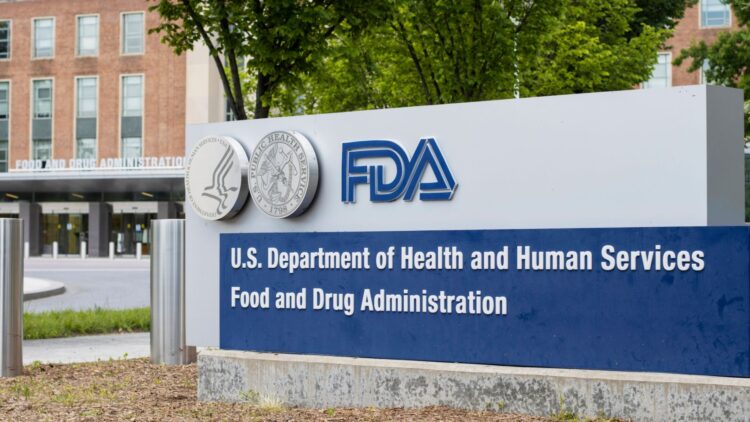
The U.S. Food and Drug Administration (FDA) has issued an alert to recall more than 1,350 pounds of Blue Ridge Beef brand cat food due to Salmonella contamination.
Specifically, the recall refers to Blue Ridge Beef Kitten Mix, distributed between July 18 and July 26, 2024 in states such as Virginia, Maryland, Pennsylvania, Connecticut, Massachusetts, and New York. This item, sold in 2-pound clear plastic packages, can be identified by lot number N25-0716 and UPC code 854298001343.
What should pet owners do?
Carefully check the food you have for your cat at home, and if you happen to have this product at home, authorities recommend returning it to the place of purchase for a refund or destroying it safely (make sure children and pets cannot access it if you choose this option).
Authorities also ask that this product not be sold or donated to prevent it from being consumed by other animals.
If you need more information on the subject, you can contact the company at blueridgebeefnc@yahoo.com or by calling 704-873-2072.
How does Salmonella affect humans?
Humans and pets are continually exposed to this type of virus and, although the alert on this occasion is focused on cat food, the risks of Salmonella are not limited to them. People who have handled these contaminated products without proper hygiene can also become infected.
What are the effects of salmonella on humans?
Typically, humans are affected by the virus through nausea, vomiting, or diarrhea. In more severe cases, it can cause endiocarditis and even death.
What about cats?
Our cats display this virus differently, with symptoms including lethargy, diarrhea, fever, and vomiting. Some animals may not show obvious signs of illness, but still be carriers and transmit it to other animals. If your pet exhibits these symptoms or has consumed the affected product, consult your veterinarian immediately.
Stay informed
Recalls of contaminated products are not uncommon, and underscore the need for pet owners to always be vigilant. It is very important to check labels and lot numbers on purchased products and follow FDA updates.
How do I clean my kitchen to avoid salmonella?
It is important to maintain effective cleaning practices, here are some tips that can help you.
- Clean the surfaces, first with hot water and soap, and then, with a good disinfectant (be careful if you are going to use bleach because you will have to measure 1 tablespoon for each litter of water you use, let it act for 5 minutes and then rinse with clean water)
- For utensils, it is best to use the dishwasher in cycles with temperatures above 50º, if you do not have them, disinfect them also in the same way as we have explained in point 1.
- For cloths and rags, wash them with hot water, detergent and cleaning vinegar before using them again.
- It is very important that, during cooking, keep your hands clean!
- While cooking, keep ingredients at high temperatures that can eliminate traces of bacteria, and separate raw foods from cooked foods.
Our pets deserve the best and to stay in a clean and healthy environment, and it is up to us to provide it to them!