
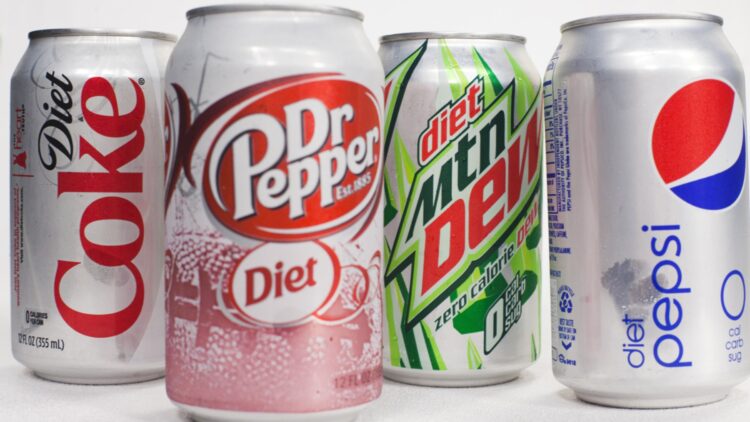
Zero sodas and diet soft drinks are everywhere, and many people choose them because they think they’re the healthy version of regular soft drinks. I mean, it’s logical, right? They don’t have added sugar and cut calories almost completely. However, as explained in the blog Verywell Health, not all of these drinks work the same way. So, if you are one of those people who prefers drinking zero or diet soft drinks, you should definitely read this article. So, let’s get started.
Diet and zero soft drinks
If you think these drinks are the same, let me tell you there’s a big difference between them. Diet soft drinks tend to use older artificial sweeteners, including aspartame, saccharin, and cyclamate. Aspartame is extremely sweet — around 200 times sweeter than normal sugar — so companies only need to add a tiny amount to create a strong sweet taste.
Then, we have zero soft drinks which contain a different set of sweeteners, often considered more modern. These include sucralose, acesulfame potassium, stevia, and monk fruit. These sweeteners help make the drink taste more like a regular sugary soda, which is why so many people prefer these “zero” versions.
Yet, both options have something in common: they have almost no calories and no added sugar. This means that, in general, neither type causes the big spikes in blood sugar that come from drinking a traditional sugary soda. For many people, that’s the main reason they choose them.
What about sugar-free and zero drinks?
Even though sugar-free and zero drinks do not raise blood sugar levels nearly as much as regular soda, that doesn’t mean they are completely harmless. Some studies have shown that certain sweeteners may affect the body in other ways.
For example, research mentioned by Verywell Health suggests that sweeteners like sucralose or acesulfame potassium might have a small effect on how the body releases insulin or certain hormones related to fullness.
Some studies also link frequent drinking of sugar-free soft drinks to a higher chances of developing insulin resistance or type 2 diabetes. This risk seems to be most noticeable in people who are overweight or obese. But it’s essential to remember that results vary a lot, depending on the type of sweetener, how much someone drinks, and a person’s individual health.
Why these drinks aren’t completely harmless
Did you know that zero or diet drinks can increase appetite or cravings? This works this way: the brain detects the sweet flavor, but it doesn’t receive the calories it expects. So, this makes the person eat more afterwards. So, they are not dangerous, but it’s clear they do something to our bodies that can affect us.
Also, even if these drinks don’t cause large blood sugar spikes, they may still have metabolic effects that scientists are still trying to fully understand. This means the reaction can be different from one person to another.
The key is moderation
Choosing whether to drink these soft drinks or not is something very personal, but you should always do it with moderation. Sure, they don’t have added sugar, but they do contain sweeteners that can affect your digestion, metabolism, or appetite (depending on the person).
Since the effects vary so much, there’s no unique answer that works for everybody. There are people who consume them without noticing anything unusual, and others feel hungrier or experience more cravings.
So the main idea is this: zero or diet soft drinks aren’t “bad,” but they’re not completely harmless either. As you have read, no matter the drinks have no sugar because they can still affect your body in different ways. Basically, you’d better keep that in mind when choosing what to drink. Now that you know more about these types of popular soft drinks, would you think about this article when you drink one?