
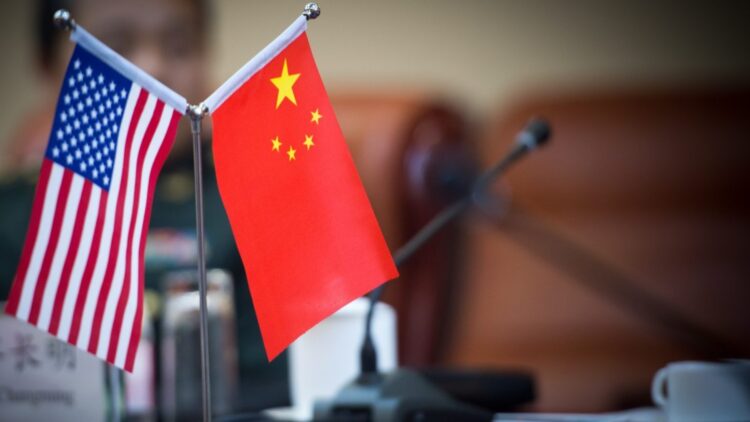
China, one of the world’s largest economies, is showing an interesting trend in global trade. Even though its sales to the U.S. have significantly lowered, the country is still selling to many other places around the globe. This means that the Asian giant doesn’t depend so much on the U.S. to keep its exportation economy, and this change can have some challenges in the long term for the American economy strategy.
International trade is important because countries sell and buy products among them. So, when a country sells more than it buys, it has a trade surplus. The Asian country has achieved a record trade surplus of more than $1 trillion in just the first 11 months of the year, showing it is selling far more than it buys globally. So, let’s learn more about this interesting and important issue.
What’s happening with China’s trade
According to China’s customs data, in November:
- Total exports rose 5.9% compared to the same month last year, reaching $330.3 billion.
- Total imports grew 1.9%, reaching $218.6 billion.
Although these numbers show a general rise, there’s an important fact that worries the U.S.: the Asian country’s exports to the U.S. lowered almost 29% in November, and this has happened for 8 consecutive months. This means that the Asian country doesn’t sell as much to the U.S. as it used to.
However, China keeps growing when it comes to exports since its products are sold a lot in Southeast Asia, Africa, Latin America, and the European Union.
Global and American impact
The growth of China’s exports has an important message for the world, especially for the U.S. In history, the U.S. was one of China’s biggest customers. This gave the U.S. some influence over China’s economy, using tariffs or import taxes to try to balance trade.
Now, we see that the Asian country doesn’t depend on the U.S. to have a trade surplus. This situation makes measures like tariffs less effective in changing the trade relationship between the two countries.
It’s true there was a trade truce in October, where the U.S. reduced some tariffs on Chinese goods, and China agreed not to restrict exports of certain strategic materials. However, China is still exporting a lot by selling to other markets such as Europe and Latin America, reducing the influence of the U.S. over China’s trade.
What this means for the future
That’s it, the Asian country has achieved exportation success so it has nothing to worry about, right? Well,experts warn the growth may not last forever. U.S.-China relations remain complicated, and other countries are also using protective trade measures or aggressive industrial policies. This means global trade could become more difficult and tense again in the future.
To sum up
For the U.S. and the rest of the world, the message is clear: China can maintain strong trade even without relying on one country, and this changes how nations plan their trade policies.
Global trade remains important, and how these relationships develop in the coming years will shape the stability of the world economy.
For you, as someone interested in the economy or international trade, this is a reminder that global markets are always changing. How do you think this shift in China’s trade will affect the U.S. and the world in the years to come?