
Let’s talk about SNAP! This is one of the largest food assistance systems in the U.S.. Unfortunately, millions of SNAP beneficiaries will face new restrictions this year on what products they could buy with this benefit. The USDA (U.S. Department of Agriculture) announced changes that will limit the access to soft drinks, sugary drinks, energy drinks, and sweets in at least 18 states. You will find more information about this situation affecting so many people in this article, so let’s get started.
2026 SNAP changes
The goal of these new rules is to prioritize health and nutrition of SNAP beneficiaries. This means that certain products considered of low nutritional value will no longer be available to buy with SNAP benefits. Curious about which are those products? Here they are: soft and sugary drinks, energy drinks, sweets, chocolates, and candies.
Each state will have specific rules about this, these are a few examples:
- Iowa: here, SNAP beneficiaries couldn’t buy gum, candy, chocolate, sugary drinks, nut mixes with candy, or unhealthy prepared foods.
- Indiana: here, sodas and sweets that contain sugar or are mixed with chocolate, fruit, or nuts are restricted.
- Nebraska: in this case, energy drinks will be banned.
The USDA explained that these measures allow states to have more flexibility to manage SNAP and guarantee public funds are spent on healthy options.
States applying the restrictions first
The first group of states that started applying these restrictions from January 1 were:
- Indiana
- Iowa
- Nebraska
- Utah
- West Virginia
Then, other 13 states will continue their example throughout the year:
- February: Idaho, Oklahoma, Louisiana
- March: Colorado
- April: Texas, Virginia, Florida
- July: Arkansas, Tennessee
- August: Hawaii, South Carolina
- September: North Dakota
- October: Missouri
This means that throughout the entire year, millions of beneficiaries in 18 states will experience changes on which products they can buy with SNAP.
Why these new rules?
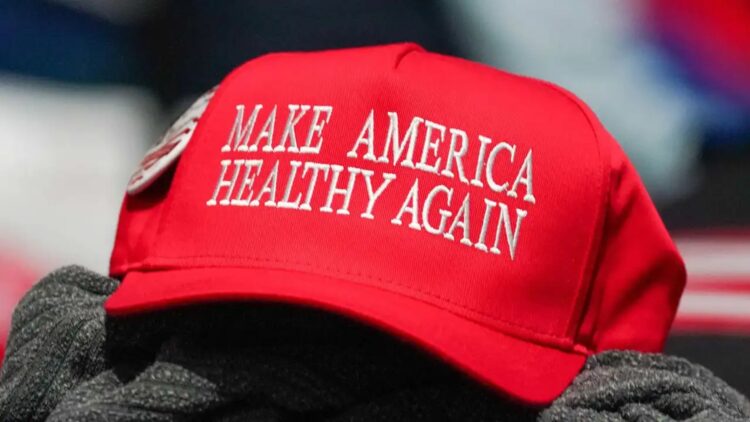
The federal government supports these restrictions as part of the movement ‘’Make America Healthy Again’’, led by Health Secretary Robert F. Kennedy Jr.
The main reason for these restrictions is that people can consume whatever they want, but taxpayers’ money should not fund products that harm children’s health. The USDA stated that the goal of these rules is to improve SNAP beneficiaries’ health, encouraging healthier eating habits.
Supporters of the reform argue that these changes will help fight obesity and protect the health of future generations. Iowa Governor Kim Reynolds stated that the program needs to focus on nutrition and wellbeing for its recipients.
Criticism and concerns
Even though the reform aims to focus on health, it has also worried many people:
- Organizations like Food Research & Action Center warn about the negative sides of these restrictions: increase stigma toward recipients, cause confusion in stores, and not fully solve the problem of access to healthy food.
- Some beneficiaries are worried, especially those who lack refrigeration or a proper kitchen to store fresh food.
How many people will be affected
Now that we know how these restrictions will work, let’s see how many people will experience these changes. According to data from the Center for Budget and Policy Priorities:
- In January 2026, 1.4 million people will experience immediate changes.
- During the entire year, about 13 million beneficiaries in the 18 states will be affected.
- In total, more than 41 million people used SNAP in 2024, which makes it the largest food assistance program in the United States.
To sum up
As you can see, millions of people will be affected by this change making SNAP’s transformation a major step toward healthier eating. Do you think these restrictions will improve eating habits in the U.S.?