
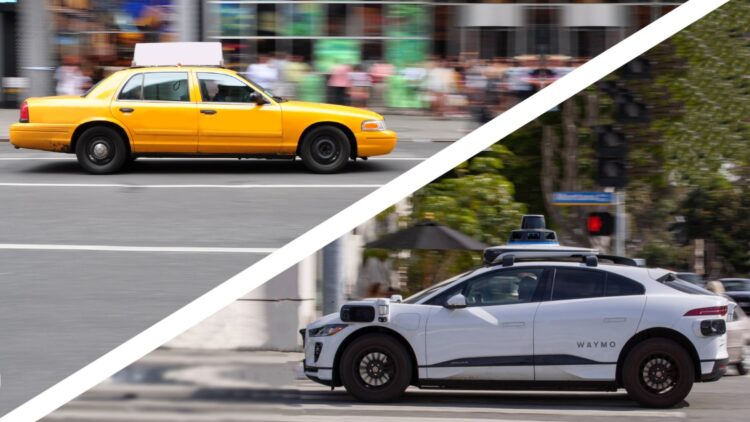
A few years ago, robotaxis were considered science fiction. However, we can see them today in some cities around the world and big companies, like Waymo, Zoox, Tesla, and Baidu, are advancing very fast to make this transport more common for us. So, let’s find out more about these robotaxis, shall we?
Robotaxis
They are self-driven cars by using cameras, sensors, and artificial intelligence. In 2025, they were very popular, especially in big cities of the U.S. and Asia, and many people used them to go to work, leave the kids at school, or go shopping.
In some cases, parents let their teenagers go by themselves in these cars because there was no unknown driver. Also, some women feel safer when travelling in robotaxis than with a stranger driving.
Sure, there’s still a long way to go, but it’s not a futuristic idea anymore: it’s a reality happening now.
The market
Robotaxi rides today are usually more expensive than traditional ride-hailing. However, this could change as these companies shift from hundreds of vehicles to thousands. The more cars there are, the cheaper each ride can become.
At the same time, not all reactions have been positive. Some cities complain about noise, extra traffic, or strange driving behaviors. Yet the technology continues to expand because of the potential benefits: safer roads, more efficient travel, and reduced need for human drivers.
By the end of 2025, the robotaxi market was clearly in a growth phase, with many companies preparing major expansions for 2026 and beyond.
Waymo
Waymo is owned by Alphabet (Google’s parent company) and it’s the leader in the U.S. In 2025, it already offered rides in: Austin, the San Francisco Bay Area, Phoenix, Atlanta, and Los Angeles. The company grew so much that even Elon Musk, Tesla’s CEO, had to acknowledge its advances.
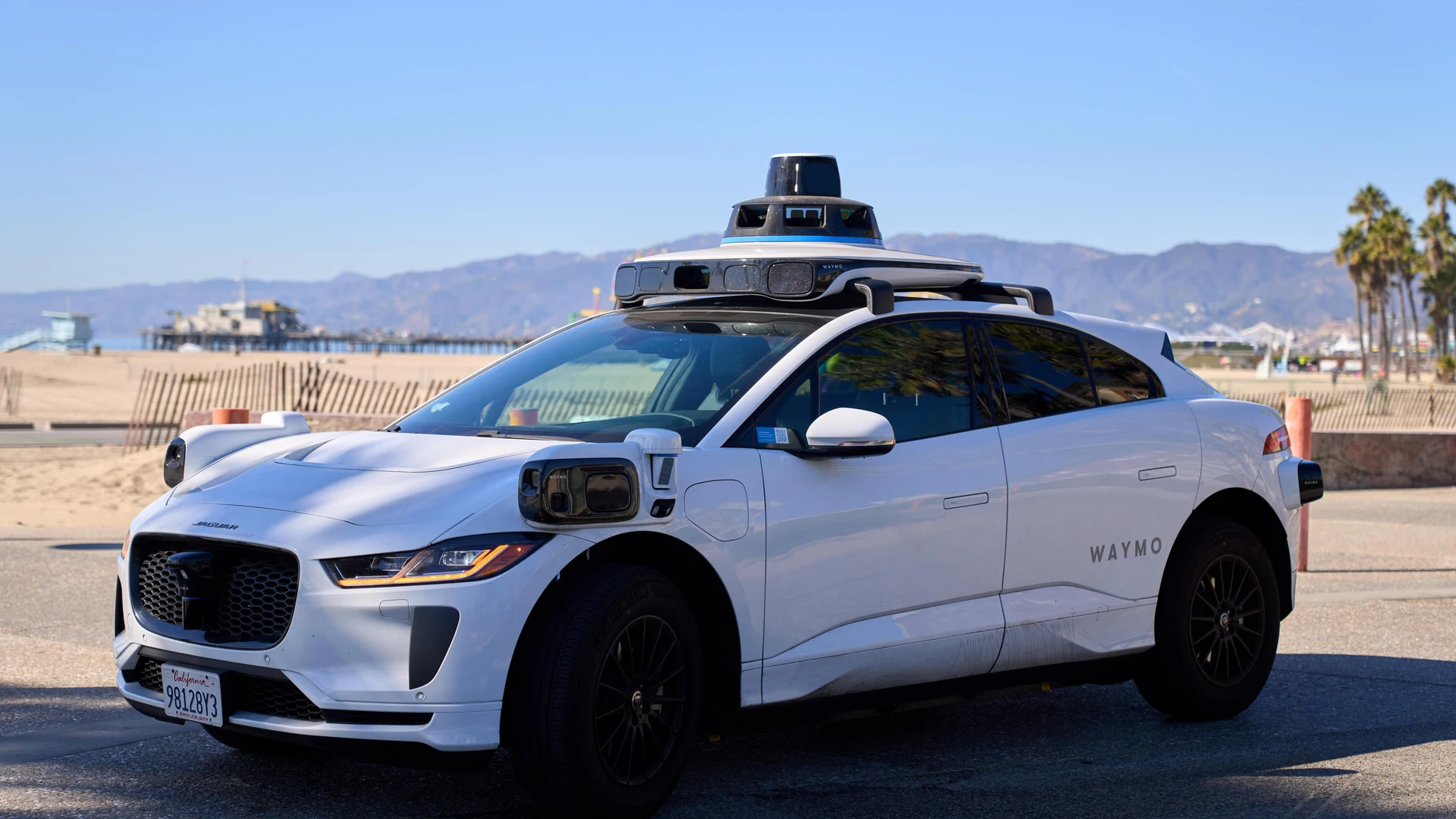
Also, Waymo achieved some important milestones in 2025, like:
- Allowing teens aged 14–17 to use the service (starting in Phoenix).
- Beginning to carry passengers on freeways in San Francisco, Phoenix, and Los Angeles.
- Planning new launches in 11 U.S. cities in 2026, including Miami, Houston, Dallas, Las Vegas, Denver, and Washington.
- Announcing its first international robotaxi service in London for 2026
This year, the company plans on offering services in 11 new cities in the U.S., including Dallas, Denver, Houston, Las Vegas, Miami, Orlando, San Antonio, and Washington. It’s also going international, it will offer its first international service in London!
However, Waymo is facing some issues:
- A robotaxi hit and killed a cat in San Francisco.
- Another hit a small unleashed dog.
- A Waymo car drove through an active police standoff in Los Angeles.
- In Texas, some of its vehicles passed school buses illegally, forcing the company to issue a software recall.
Zoox
Zoox it’s owned by Amazon, and it’s also advancing a lot when it comes to robotaxis. Their vehicles are different: they are small electric vehicles with no steering wheel, no pedals, no mirrors, and their seats are facing each other in the center.
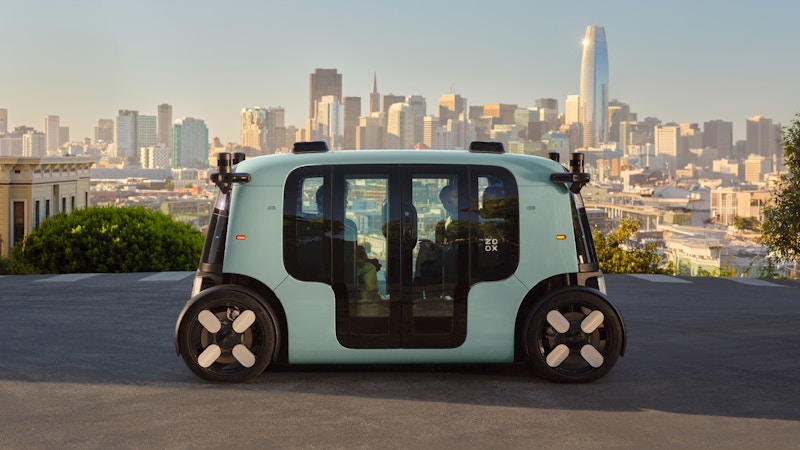
In 2025, Zoox started offering free rides in Las Vegas (near the Strip), and some San Francisco areas. They don’t charge yet because they still need federal approval but once they receive it, they plan to start charging customers in 2026.
Zoox is also testing or preparing to expand to cities like Los Angeles, Miami, Austin, Seattle, Washington, and others. The company also opened a large factory to eventually produce up to 10,000 vehicles per year.
Of course, Zoox has also faced issues such as sudden braking, minor crashes, and software recalls, but continues to move forward.
Tesla
Tesla launched its own service in 2025, but the difference with the other robotaxis is that Tesla’s still include a human safety driver who must be ready to take control at any moment.

Tesla started in Austin and the San Francisco Bay Area. Then, the company obtained permits for testing in Nevada and Arizona but still lacks permission to operate fully autonomous services in California.
Exactly, Tesla also faced issues: minor accidents, and one video showed a safety driver asleep during a ride—raising concerns from regulators.
China
China is growing very fast in this sector, with the leading company Baidu and its robotaxi Apollo Go. This vehicle already makes 250,000 weekly rides and operates in big cities, like Wuhan and Beijing.
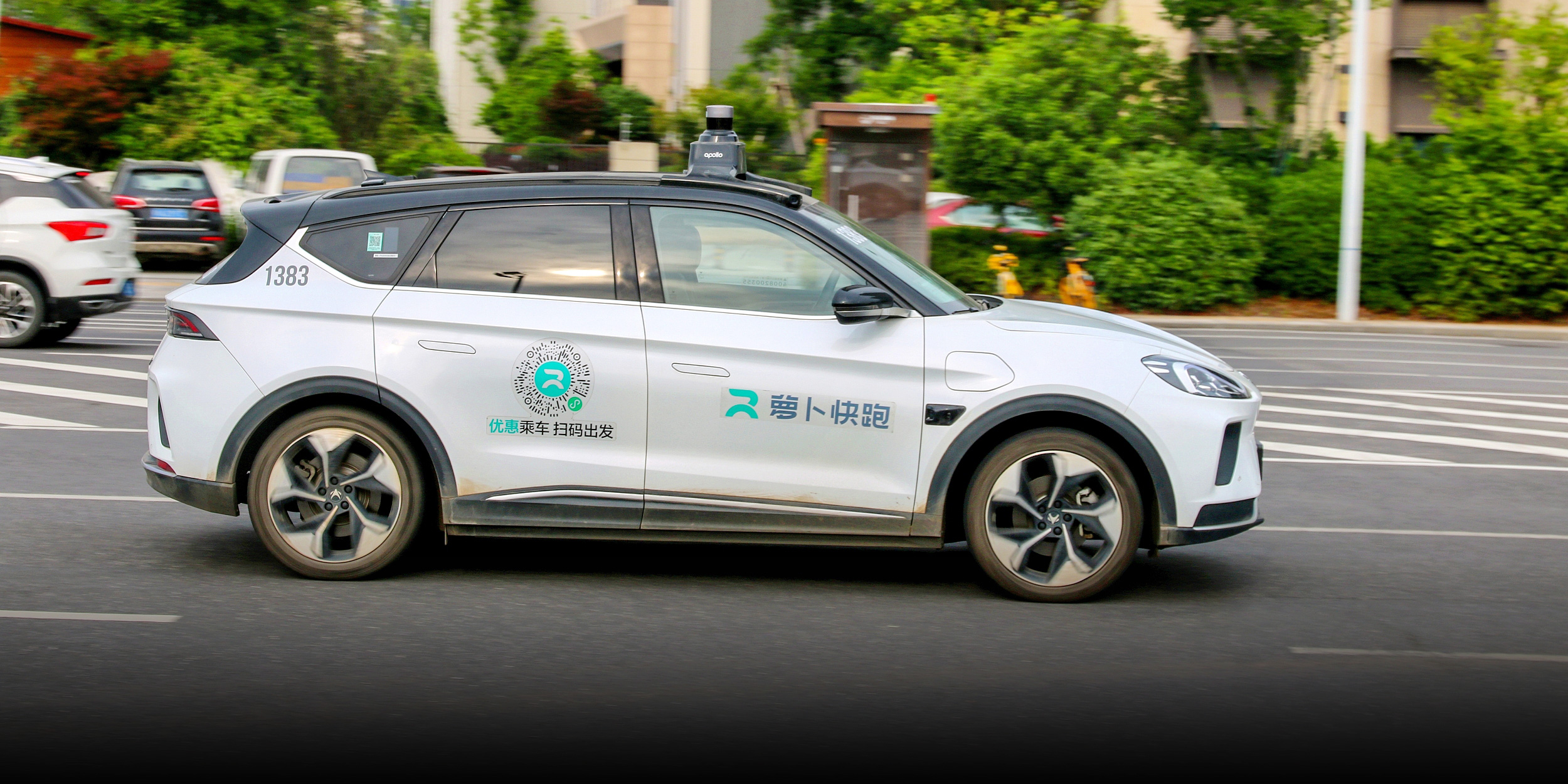
Baidu wants to expand internationally, including: Abu Dhabi, Dubai, Guangzhou, Hong Kong, Switzerland, the U.K., and Germany. These two latter through a partnership with Lyft.
Two more strong Chinese competitors are:
- Pony.ai: operating in Shenzhen and Beijing.
- WeRide: offering services in China, Abu Dhabi, France, Switzerland, Singapore, and the U.S.
So…
If companies continue improving safety, earning public trust, and operating at larger scales, robotaxis may soon be as normal as taking an Uber today. The future of transportation is arriving, are you ready for it?