
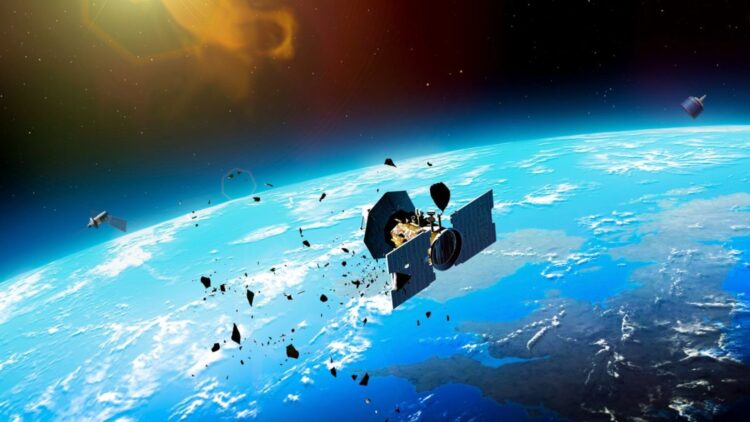
The U.S. has sent a safety alert to airlines due to an issue that is getting worse: space junk. This junk comes from rockets that explode or fail during their launches. The alert was published by the Federal Aviation Administration (FAA), which is the government agency that oversees airplane safety. The alert is created mainly after a very serious case happened: a Starship rocket from SpaceX exploded over the Caribbean and thousands of pieces fell near three airplanes. The risk is so high that the FAA decided to alert all airlines. So, let’s learn more about this.
Why the FAA is alerting airlines
The FAA published a document called Safety Alert for Operators (SAFO) explaining that rocket launches and rocket returns to Earth have increased a lot every year. This means that if a rocket fails during a launch, known as ‘’catastrophic failure’’, the rocket may explode and send debris to the atmosphere. The thing is that these pieces fall in places where planes fly too, so even a small piece could cause serious damage.
The alert started due to a recent case: the Starship rocket from SpaceX exploded, and its pieces fell dangerously near two commercial flights and a private plane. Even though nothing happened, authorities consider this could happen again, which is why airlines must be prepared to avoid accidents.
The alert
The FAA document doesn’t impose new rules, but it does offer important suggestions to avoid issues. The idea is that airlines train their crews, so that they know what to do in case there is debris in the area they are flying.
What’s more, the FAA explains that there are special airlines called Debris Response Areas, which were created when a failure happened during a space launch, and pilots must be very careful when flying near them. But, even this way, the FAA clarifies that debris may fall out of these areas. To help avoid dangerous situations, the FAA recommends that pilots and airlines:
- Check all NOTAMs (official notices to pilots) about rocket launches or reentries.
- Review airspace management plans related to space activities.
- Analyze whether a launch or reentry could affect their flight path.
- Be ready for delays, flight changes, or even cancellations if debris is present.
- Carry extra fuel to handle detours, waiting times, or extended routes.
- Identify alternate airports ahead of time in case a plane needs to land somewhere else.
The FAA states that pilots cannot only focus on the sides or below the aircraft. They must now also pay attention to what is happening above them, because rocket debris can enter their flight area.
Why there is more debris
The main reason for this issue is that the number of space launches have increased a lot. It’s not something that happens once in a while, companies like SpaceX and Blue Origin are constantly launching rockets. These are the official FAA data:
- In 2015, there were only 14 supervised launches.
- In 2022, that number was 74.
- In 2023, it increased to 113.
- In 2024, it reached 148.
And this is just the beginning. The FAA calculates that between 200 and 400 launches or returns will happen every year by 2034. In the worst scenario, it could be up to 566… Not only this includes SpaceX, but also Blue Origin and other companies in the future.
To sum up
More launches mean more chances of accidents. And even though rocket technology continues to improve, the possibility of rocket explosions will never completely disappear. When rockets fail, they leave behind debris that can fall unpredictably—and sometimes into areas where commercial airplanes are flying.