
The electricity bill is something that worries thousands of families around the world. Surely some of your relatives also go around the house saying things like “in this house nobody turns off the lights! You’ll see the bill!” And most of the time, they’re right. When the bill arrives at our house, it always seems especially high, even when you haven’t been using many appliances (or even when you haven’t been at home for a long time). Have you heard of “phantom load”? Yes, an electrical consumption that your devices make even when they are turned off, and it can represent up to 11% of your annual bill, a small pinch of money that you are giving away to the electric companies without knowing it. Below we are going to explain to you what to do to detect it and how to reduce it, because the problem with this consumption is that there are many myths around it, but we are here to demystify everything and leave you with clearer information.
Explain to me what is it.
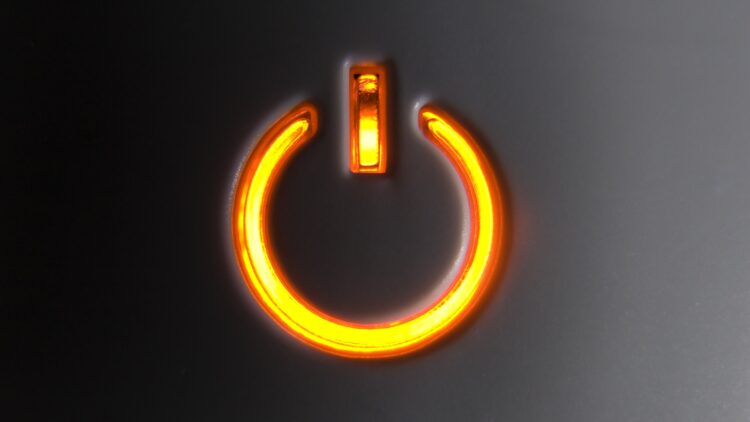
This is the electricity consumption that electronic devices make while they are in standby mode. Yes, even if your devices are turned off, televisions, microwaves and even routers have little lights that indicate that they are off, right? Well, that little light means that these devices need constant power to stay ready for immediate use (that is, when you press the power button on your television, it automatically turns on).
What are the myths?
There are still people who believe that a charger that is plugged in but not in use consumes the same amount of electricity as when it is charging. False!
How much do devices consume in standby mode?
The amount of energy that a device consumes will depend on its age and model, but we are going to give you an estimated consumption:
- Television: between 0.7 and 2W.
- Game consoles: up to 4W in standby.
- Router: around 7W.
- Microwave: about 2W (for keeping the digital clock on)
- Mobile phone chargers without a device connected: less than 0.2W.
Consumption by device
| Location | Device | Estimated consumption (W) | Actual measurement (W) | Estimated annual cost ($) | Actual annual cost ($) |
| Living room | TV | 2 | 0.7 | 2.98 | 1.04 |
| Gaming console | 4 | 1.1 (Xbox), 2.3 (Wii) | 5.96 | 5.07 | |
| Digital TV receiver | 5 | – | 7.45 | – | |
| Cordless phone | 4 | 1.2 (Philips) | 5.96 | 1.79 | |
| DVD Player | 4 | – | 5.96 | – | |
| Mini stereo system | 6 | 4.5 (LG) | 8.94 | 6.07 | |
| Home office | Desktop computer | 5 | 2 (iMac) | 7.45 | 2.98 |
| Laptop | 4 | 1 (MacBook) | 5.96 | 1.49 | |
| LCD monitor | 1 | – | 1.49 | – | |
| Router | 8 | 7 (Vodafone) | 11.91 | 10.43 | |
| Printer | 8 | 6 (HP) | 11.91 | 8.94 | |
| Kitchen | Microwave | 4 | 2.1 | 5.96 | 3.13 |
| Coffee machine | 5 | 1.7 | 7.45 | 2.53 | |
| Totals | 60 | 29.6 | 89.40 | 44.10 |
How can I reduce consumption?
- Use a power strip with a switch that allows you to cut off the power when you are not using them
- There are smart power strips, or timers, that turn off once the devices go into standby mode
- We can also recommend that you get an electric consumption metre (it has an estimated price of $15-25) and with it you can measure the voltage, intensity and consumption of any device you plug in.
- Finally, always choose efficient devices that include low consumption, so you can reduce the consumption of your bill a little more.
- Unplug what you are not using!
How can I create sustainable habits?
Of course you can, even if it’s complicated! You just have to unlearn a few things, like for example, that you don’t need to have all the lights in the house on, and even less to have everything connected. These are small gestures that we have to include in our routine to avoid losing the money that we could be using to pay for dinner at our favourite restaurant!