
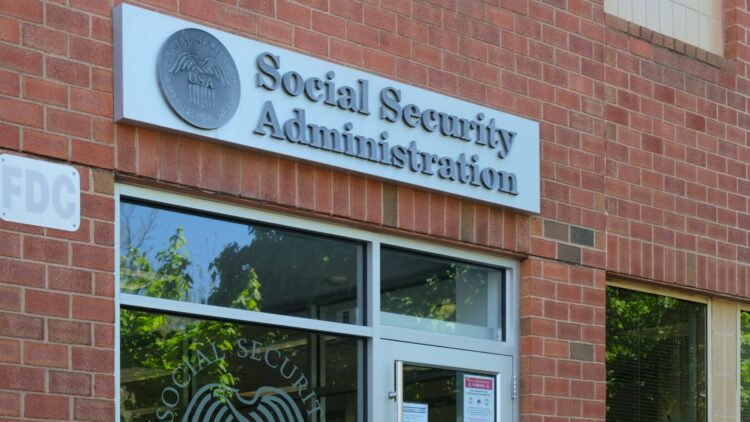
There is a reality that the Consumer Financial Protection Bureau (CFPB) wants to address as soon as possible, and that is that they have discovered that our most sensitive data (our social security number or our identification number) can be sold to third-party companies without us even realizing it.
This proposal aims to end fraud, espionage risks and other dangers to which we are exposed by living in an increasingly digitalized world.
How will this change affect us? Here we tell you everything you need to know to understand what is happening and why everything is going to change!
What is this new rule about?
This rule is intended to combat the sale of personal information to third parties, the so-called “data brokers” (or data intermediaries) who collect people’s information to sell it to other companies. The information they sell without your permission ranges from phone numbers to financial details such as your own social security number!
So, according to the FCRA (Fair Credit Reporting Act) this information cannot be sold as such, but now they want to ensure that this information is not shared for purposes other than those expressly useful to the company to which you give it.
A new law that affects Social Security
Let’s explain this well, a data broker is an individual (or group) that specializes in collecting personal data from public records, and sometimes also from private information. These data brokers then sell that data to third parties in order to benefit from it.
This rule will create a “credit reporting agency” (which must comply with the FCRA, of course) with entities that sell this type of information (from debt payments, credit histories or a person’s income)
A question of national security
In the same statement in which Chopra confirmed this, it was communicated that the sale of private data could endanger overall national security, since countries that are not very friendly with the United States (such as China or Russia…) could be buying this information, both from veterans, government employees, and active military personnel, and they could be being monitored and spied on.
On the other hand, these cybercriminal profiles also take information from older people (who are usually less comfortable with technology) to steal their identity and subject them to fraud.
Something similar happened in 2020 when a federal judge was murdered after his attacker bought his home. Crazy, huh? Showing that one of the social groups most at risk from this type of cybercrime are people in law enforcement.
For Chopin, these cases are not isolated cases, but rather a problem of systematic weakness that must be addressed as soon as possible.
A new fight against data theft
In this way, Rohit Chopra, the director of the CFPB, has given a press release in which he has stated that this type of fraud has made a lot of money for data brokers, as well as generating discontent among customers (since they have sold information without our consent that has ended up in the wrong hands).
So, this new proposal aims to ensure that our information is only shared for appropriate purposes, thus stopping the tactics of these third-party companies that threaten the security of individuals.
The future of Social Security
Don’t worry, numbers will continue to be essential for carrying out any procedure, but this CFPB proposal seeks four very different points:
- Restrict the sale of sensitive data to third parties (so that we avoid the information ending up where we don’t want it…)
- Strengthen existing regulation (forcing companies to operate under the laws imposed)
- Protect vulnerable groups
- Strengthen national security