
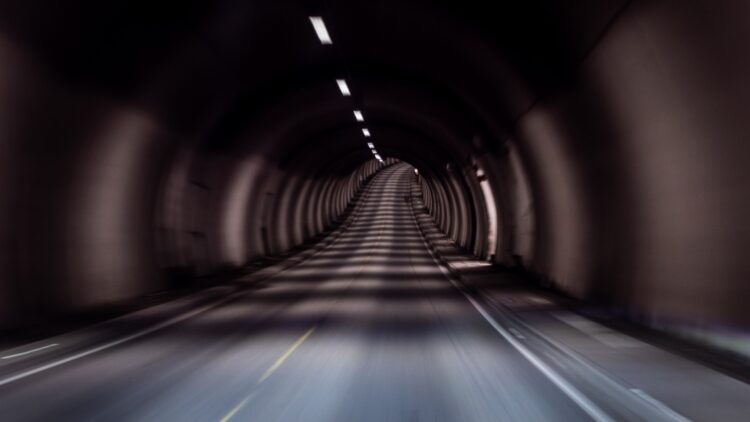
More and more engineers are considering connecting countries by means of underwater tunnels. For example, they have proposed a project for the border between Spain and Morocco (although the challenge is enormous because it is a fairly complex engineering project), but it is not the only tunnel of this type that is being considered in Europe, because Norway is about to start the construction of its own underwater tunnel, which it will call “Rogfast” and will serve to connect different points of the country more efficiently and quickly.
Until now, travelling through Norway was quite an odyssey because its geography is full of mountains which makes many journeys long and dependent on ferries which, when there is bad weather, can delay the journey for hours. But all this is about to change.
What will the Rogfast be like?
It will be an underwater megatunnel that, (when completed in 2033) will be the deepest in the world, reaching 400 metres below sea level. It is estimated that it will be 25 kilometres long and will connect Randaberg and Bokn, reducing a journey that takes more than 10 hours by motorway.
And they will be able to complete this journey in just over an hour, a much shorter time than until now because it was necessary to take seven boat trips to complete it! Imagine when it snows or when the weather conditions did not allow the trip…
But why is this tunnel so important?
Because the Rogfast will allow for fast and safe crossings without weather interruptions throughout the country, shortening travel times. In addition, there will be four lanes so that the tunnel can absorb all the traffic from both regions and thus make road journeys much smoother and without complications.
When will the Rockfast be inaugurated?
The project was approved in 2017, however, due to financial problems, it has not been possible to get the green light to begin the works. This project has an estimated investment of 1.87 billion dollars and is scheduled to open in 2033.
Once it is inaugurated, it will cost €35 (approx. $37) to cross it to recover the investment.
Will it be safe for drivers?
Although it is a bit overwhelming to think that we will be going through a tunnel 400 metres deep, this is a very good alternative to make our trips shorter and more efficient without having to spend many hours on the road or having to take into account the weather to undertake our trip.
On the other hand, we are also interested in it because we will not have to pay for ferries or wait in long queues, it will save fuel, money and time (yes, even if you have to pay to cross the tunnel), in addition to it, it is an excellent alternative so that, when heavy snowfalls come, no one has to cancel their trip or put their life at risk on a road.
This underwater tunnel will completely change mobility in Europe, a faster, safer route without the climate putting us at risk. Some of us are already looking forward to 2033 to see how this incredible tunnel performs!