
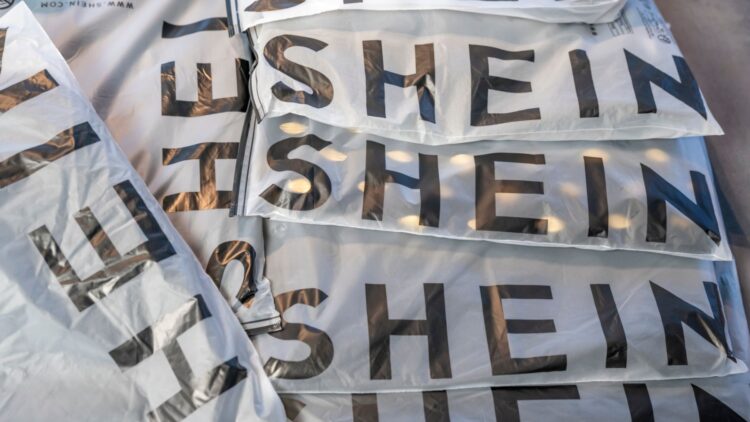
Buying clothes from Shein, Temu, or Amazon has become a ritual for millions of people, we love it. It’s easy, fast, and exciting: with just one click, you can fill your cart with clothes and accessories that perfectly match your style at low prices. Do you want a dress for a date, a T-shirt you saw on TikTok? A dress for a wedding? You can have it in just a few days without spending a fortune.
But beyond the discounts and deals, fast fashion hooks us because it allows us to constantly wear something new, refresh our wardrobe guilt-free, and follow trends without draining our bank accounts. On social media, influencers do clothing “hauls” with dozens of ridiculously cheap garments, and the thrill of receiving a package full of new clothes is truly addictive. But behind those giant bags of products, there’s something we don’t usually see: what happens to all that clothing when we return it? Where do the items that don’t fit or that we decide we don’t actually like end up? A group of researchers set out to find out, and what they discovered is not as pretty as we imagined.
As easy as clicking
The main warehouses for these stores are in China, so just the journey to Europe or the United States creates a massive carbon footprint (translated into tons of CO₂ emissions) due to transportation. For us, sitting at home, it’s just a click, but the industry and pollution behind every top or T-shirt we buy from these warehouses are enormous. Once the package arrives and we try it on, we decide if the item fits or not. But the return process isn’t what we think it is, so a group of researchers decided to place a GPS tracker on some garments they returned to these brands.
Are clothes really not returned?
No. The GPS trackers on these garments revealed shocking information: the items are not sent back to be resold. Instead, they end up in landfills in developing countries, as if these nations didn’t already have enough waste to deal with, now they also have to handle ours.
A GPS tracker
To put things into perspective, in 58 days, the packages equipped with GPS trackers traveled over 100,000 kilometers in total, crossing 13 European countries and China. Each garment traveled approximately 4,502 kilometers before reaching its final destination. But what about the return journey?
Can clothes be returned?
Technically, yes, of course, they can. But that’s not the issue here. The clothes we return never go back to their original destination. Many stores offer free returns, encouraging customers to shop without thinking because “returns are free” (so they don’t feel guilty). But in reality, the environmental cost of these purchases is enormous. The study found that the clothes do not go back to Asian warehouses. Instead, most are transported by trucks, planes, or ships to third-party countries, where they are either destroyed or piled up in massive waste dumps.
Many European countries have already taken steps to prevent clothes from being destroyed, but others, like Ghana, are struggling with over 4,000 tons of waste from European clothing arriving on their territory, turning it into a landfill rather than a habitable country.
The environmental cost of fast fashion
The environmental startup INDACO2 calculated that each clothing return generates, on average:
- 2.78 kg of CO₂ emissions per garment due to transportation.
- 16% additional impact from plastic packaging.
- 24% increase in CO₂ emissions due to unnecessary shipments.
- It’s also estimated that 74 kg of plastic are used to package clothing orders, not to mention the conditions in the factories where these clothes are made, which are often deplorable.
Avoid being part of the problem
We all love shopping, that’s a fact. But try to only buy what you need and make sure it’s your size or something you truly like. If you don’t like it, you can always choose to donate it or sell it on second-hand platforms. And if you can support brands with sustainable policies, even better. Let’s all try to make the world a better place!