
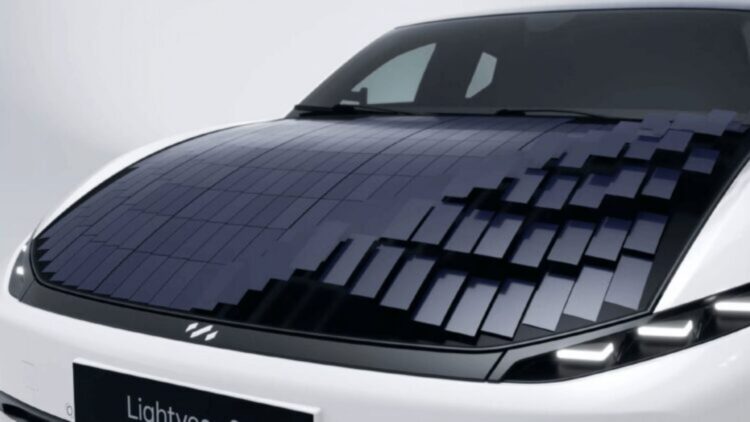
The automotive world is completely crazy looking for and researching sustainable ways to continue this incredible passion. We have seen it all: lithium and magnesium batteries.Cars powered by atomic fusion or hydrogen, was there anything left to see? Yes, and we are here to tell you about it.
What technology had no one tried to implement in a vehicle until now? Vehicles powered by clean and conventional energy, yes, nothing to do with lithium or hydrogen batteries. What about solar energy?
This super revolutionary concept was developed by Lightyear One, a Dutch startup, and aimed to eliminate dependency on fossil fuels or electric charging stations forever. It stole the show by presenting this ambitious project, integrating solar panels on the roof and hood of the car with the idea that it could generate enough energy without needing to be taken to a charging station.
But… what happened?
A foretold death
No matter how advanced and incredible this project seemed, it looks like the Dutch startup did not take into account the main challenges that solar energy already faces. So, let’s list them:
Current solar panels do not generate enough energy to propel a vehicle with the same power as conventional engines (or even lithium or hydrogen batteries). As a result, the Lightyear One could only travel a few kilometers using the solar energy it collected. But what about cloudy days or areas with little sunlight? Everything seemed unreliable, especially for those who need a car for daily use.
Production costs were too high, making this project extremely expensive. The solar panels embedded in the bodywork contained state-of-the-art materials, which drove up manufacturing costs. The base version of this vehicle was priced at $250,000!!!!—an unreachable figure for the average person. And although the company considered launching a more affordable model, it never happened due to financial issues.
Traditional electric cars have already made significant progress, and fast-charging stations are continuously expanding. Meanwhile, a solar-powered car is still too futuristic and needs a lot of refinement. Most consumers are not willing to invest in something that still does not guarantee functionality and autonomy (which is understandable…).
Changes, of course
That’s right. Faced with so many challenges that they apparently had not anticipated before launching their project, they have decided to redirect their production toward creating solar charging systems for conventional electric cars.
So, instead of pushing for fully solar-powered vehicles, they are now looking to develop a technology that can be integrated into existing electric cars, reducing dependence on traditional charging stations (and finally increasing autonomy).
Solar energy: the real future?
The fact that this company has failed in its project does not mean that the idea is doomed forever. Rather, they have shown what should not be done and what needs improvement in this type of vehicle.
The doubts and challenges that these vehicles face are clear. Solar energy has advanced, yes, but it is still necessary to develop much more powerful and lighter solar panels to make them suitable for this specific project.
On the other hand, integrating solar panels into electric vehicles to combine solar charging with conventional batteries seems like a more viable solution, where solar energy would serve as support rather than the main power source.
Moreover, solar innovation is still ongoing! Nothing has changed except the focus of this project, but solar technology continues moving forward toward a clear and clean future.
Who knows, could this be the first setback on the road to fully autonomous, solar-powered cars?