
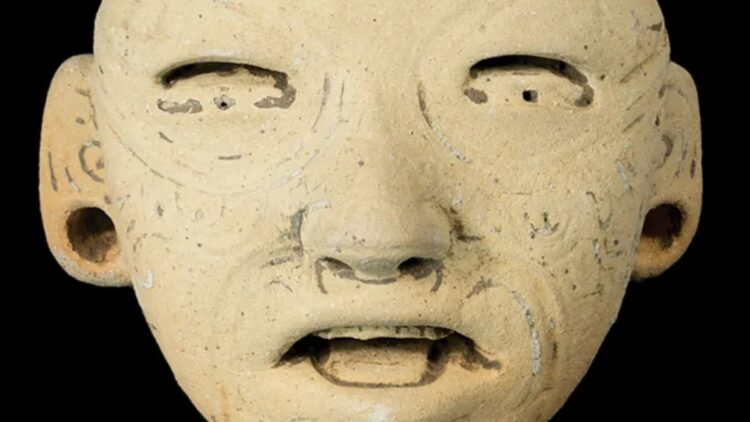
Our continent, America, still holds hundreds of secrets to be discovered. Beneath its fertile land, among jungles, volcanoes, and mountains, lie traces of civilizations that left marks as powerful as they are mysterious. Although we usually think of great empires like the Maya or the Inca, there are many lesser-known cultures that also forged unique identities, with fascinating rituals, art, and beliefs. And sometimes, it only takes digging a little for the past to speak to us. That is exactly what has happened atop an ancient pyramid in El Salvador, where archaeologists have been left speechless: they have found small clay figurines with open mouths and detachable heads, so expressive that they seem to have been made to tell stories… or perhaps to give voice to the gods.
The Mesoamerican past
These are figures created more than 2,400 years ago, still from pre-Columbian times (before Christopher Columbus “discovered” the American continent). They were found by a group of archaeologists from the University of Warsaw.
What figures are we talking about?
The figures are called Bolinas and were found at the San Isidro site. Some have holes in the neck and head, which would have allowed cords to be inserted to move them, as if they were “performing” in a kind of ceremonial representation, what we know as puppets. The question now is whether these dolls were toys or something more like rituals or artistic expressions of the people who once lived there.
Toys or ritual tools?
Although they look like dolls, researchers believe they were used to recreate myths or important events, something very common among Mesoamerican peoples.
Researcher Jan Szymański explains it like this: “In the Mesoamerican mindset, recreating something was also creating it. If a ruler ordered a sculpture of himself, it was like cloning himself, like extending his presence.” That’s why these figures with vivid expressions and eyes that seem to follow you could have had enormous symbolic power.
The figures and their design
The three largest figures measure around 30 centimeters and have an articulated design that allows head movement, with details like tattoos or scars on the face. The other two, smaller, measure 10 and 18 centimeters, but also have open mouths, as if they wanted to speak.
Looking at them from different angles, archaeologists say they seem to move. “It changes your perspective and it’s as if they’re saying something,” said Szymański. They also mention that there are small holes in the neck and skull, which experts believe could have been used to tie them from the top of the head.
What do we know about this area?
San Isidro is an archaeological site that is still little excavated, made up of earthen structures, including a pyramid. It was at the top of this pyramid that the figures were found, buried together. According to carbon-14 analysis, the pieces date from between 410 and 380 B.C.
The most surprising thing is that this discovery includes the first male figure of this kind found to date, with unique facial features. The other four are female, so it becomes clearer to scientists that behind these figures there was a symbolic or at least narrative intention.
El Salvador, a paradise yet to be deciphered
Unlike countries like Colombia, Mexico, or Brazil, El Salvador still has a much less documented pre-Columbian history, mainly because volcanic eruptions have buried many ancient sites. Also, the high population density makes excavation much more difficult. But those findings that surface from time to time show the incredible cultural richness this country holds.
For archaeology, these dolls answer big questions about how elites communicated and how they passed on their beliefs when writing didn’t exist yet. But this is much more than a simple discovery, it is a glimpse into the past to understand, accept, and learn from our ancestors. These cultures had their own art and conveyed their beliefs through it. Isn’t it incredible?