
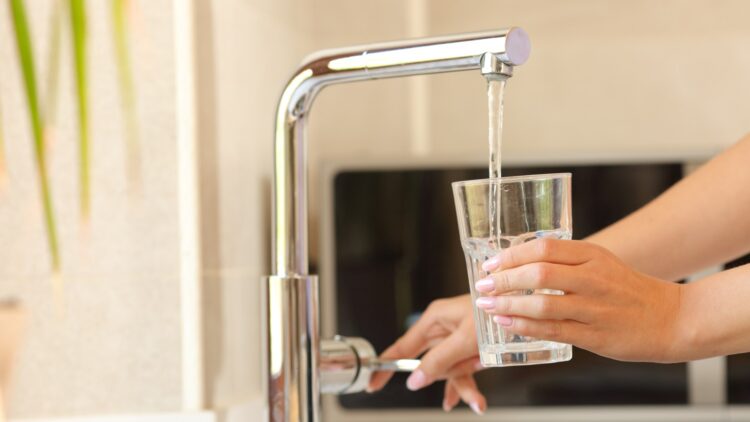
Plastic, plastic, and more plastic. We’ve gotten used to using this material in absolutely everything we own and do, and not because it’s easy to recycle, because as you probably already know, plastic takes years to fully break down. In fact, far from being recycled (only about 10% of the plastic we use annually is recycled), plastic ends up in the ocean and in nature. Recent studies have shown that plastic is everywhere, literally everywhere you look. Even the most routine things we do, like drinking water, may involve the risk of ingesting microplastics, even in the fish we eat! Even if nothing is visible and everything seems clean and pure, the water we drink at home may be full of microplastics that affect human health. Here’s everything that’s been discovered so far.
The importance of drinking water
Drinking water is a biological necessity. Our bodies are mostly made up of water, and quite literally, we run on it. All of our organs (our skin, heart, brain, and other essential systems) depend on water to keep us alive. When we drink the right amount, we help our bodies eliminate toxins, regulate temperature, digest food better, and feel more energetic.
That’s why knowing the quality of the water we drink is crucial. What if we’re drinking “dirty water” (not literally)?
What are microplastics?
Microplastics are plastic particles smaller than 5 millimeters, and nanoplastics can measure less than one micron, almost impossible to see with the naked eye. These particles form from the breakdown of larger plastics, or are sometimes manufactured that size, like glitter (yes, sorry to break it to you, glitter is a big enemy of ecosystems).
These microplastics are everywhere: in packaging, synthetic clothing, tires, cleaning products, and even toothpaste. Over time, sun, water, and friction break these materials down, releasing tiny fragments that end up in rivers, oceans, food, and also tap water. Without realizing it, we’re breathing them in, eating them, and drinking them every day.
Are they harmful to the human body?
According to recent studies, microplastics can reach the intestines, heart, and even the brain and placenta. Once in the body, they accumulate in tissue and interfere with how it functions. Experts have already linked them to gut microbiota disruption, insulin resistance, and cardiovascular issues. These fragments are so small that they can bypass all of the body’s protective barriers.
Bottled water or tap water?
As contradictory as it may sound, tap water may actually be safer than bottled water when it comes to microplastics. Most people think it’s the other way around. According to the Geological and Mining Institute, 8.7 billion liters of water were bottled in 2022!!! That’s a lot of single-use plastic bottles, most of which end up in the trash (not recycled) after just one use.
A Canadian study revealed that someone who drinks bottled water may be ingesting up to 90,000 more plastic particles per year than someone who drinks tap water, which “only” contributes about 4,000.
Can microplastics be removed at home?
Yes! As mentioned above, tap water is already a helpful ally, but here are a few more tips:
Trap the microplastics: Researchers at the University of Guangzhou (China) have shown that boiling tap water, letting it cool, and then straining it through a metal sieve can eliminate up to 80% of the microplastics commonly found in drinking water (typically polystyrene, polyethylene, and polypropylene).
Limescale is your new friend: This method works especially well in areas with hard water (water with a high mineral content). When water is boiled, the microplastics attach to calcium carbonate crystals (the well-known “limescale”), and they can be easily removed when strained.
Why should we be concerned?
Mainly because this is both a climate and health emergency. As we’ve seen, these particles can reach our bloodstream, and that’s where diseases we can’t fight may begin. Governments around the world should be in agreement: regulating plastic use should be a global priority. Let’s save our ecosystems, and our own lives from these tiny plastics!