
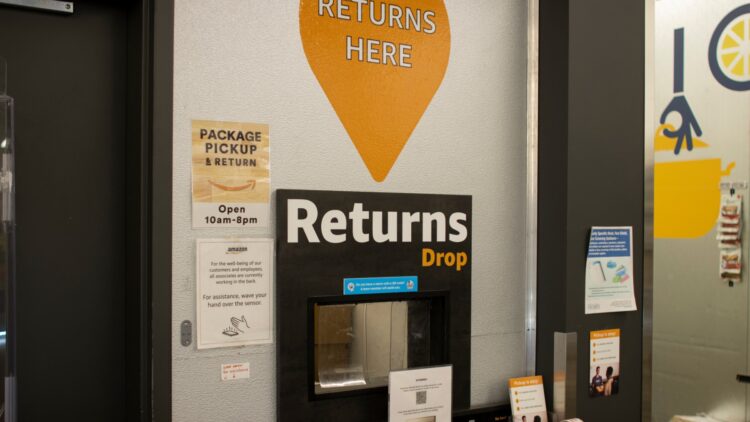
Buying online can currently be one of the most common and easiest things in the world. You fill your cart to the brim with whatever you want, you can order from the supermarket, a perfume store, or your favourite clothing store, and of course, you probably end up falling into what we all fall into: impulse shopping. But in this whirlwind of consumerism, e-commerce giants need to take a step forward to stay on top and continue ruling this sector. We’re talking about Amazon and Walmart, of course, the two kings of online commerce, with millions of daily orders behind them. Both companies have opted for a new strategy that, at first, might seem strange, but once we explain it, you’ll surely understand better. If you’re really curious, here’s a small spoiler: they’ll allow customers to keep some products… with a full refund!
A money-saving move
Let’s think for a moment about how much it costs to make a return. You bought a product, the company prepared and shipped it. When you return the product, the company usually also pays for the return shipping, and on top of all that, they lose the cost of the product. So, if we do the math… a $20 item can cost the company more than double. So they’ve made a decision that’s much cheaper for them: refund the money but don’t require a return. Just like that.
How does it work?
As we said, there will be products (not all, obviously) that the company will “let you keep” while also giving you your money back. Think of it as a gift, but in reality, it’s not. It’s just a way for the company to save money.
But, be careful, not all products will qualify. For example, Amazon will allow you to keep some products under $75 without having to return them.
For its part, Walmart has opened up to this option but has not yet set the criteria it wants to establish or the price limits.
Since when is this being done?
Apparently, Amazon has been doing this with some products for a few months, but they did it quietly and it didn’t always happen. So, you may have been one of the lucky ones thinking they were doing you a favour when in reality they were just cutting costs.
Why aren’t we celebrating this?
Because although it’s great news for the consumer (you keep a product and get a refund), the reality is that these kinds of policies could encourage waste, as customers keep products they don’t want and that, in most cases, will end up in the trash. And on the other hand… what about people who might take advantage of the system, buying things they actually want and just looking to get them for free?
That’s why these policies don’t appear anywhere on the websites. They want to rely on the consumer’s judgment to decide whether or not to keep the product.
What does it mean for consumers?
It’s very convenient for us. We buy something, don’t like it, and don’t have to do anything. No wrapping it in plastic, labelling it, waiting at the post office, or risking the packaging getting damaged in transit. But now a big question arises.
What do we do with the products we don’t want?
Well, very simple. You have several options: donate or give it to someone who needs or wants it, doing a kind gesture with the product. You can stash it in your closet like another useless item, or you can go for the least favourable option: throwing it away. But, as we said, that’s not our favourite because we don’t want our world to turn into a giant landfill full of things we bought out of a constant urge to buy.
Are returns over?
Obviously brands will choose this option when the shipping cost is higher than the product itself. Online stores like Shein or Temu had already adopted this return model, so it looks like refund-without-return is here to stay. Now we’ll have to wait and see how this type of return is regulated, whether customers are transparent or not, and whether this ends up being business savings or an environmental disaster.
The world is changing, and so is the way we understand shopping. Fast, digital consumerism is making companies adopt new ways to stay afloat in the market… could this be the solution?