
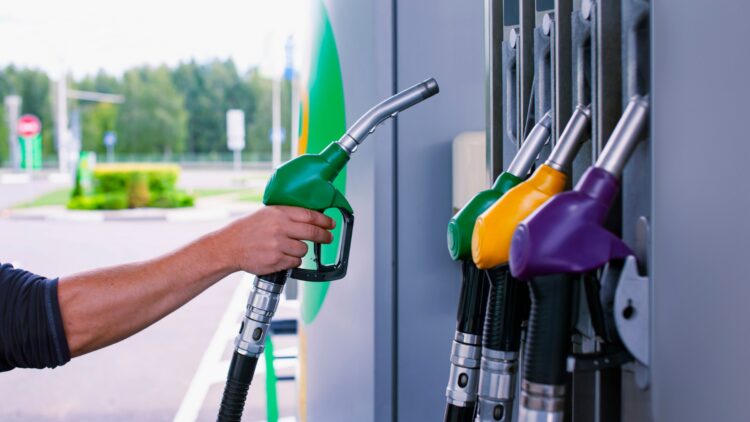
Filling up our car’s gas tank has become a real challenge, and the worst part is that, for some, this is just beginning. Those users who used to go to Phillips 66 may soon have to start looking for another gas station to fill up their cars, because last October, the energy multinational announced its plans to shut down operations at its Los Angeles refinery (in Carson), one of only 11 refineries still operating across the country.
Goodbye to 100 years of history
This refinery was practically part of the landscape, with 100 years of history. Located between Carson and Wilmington, it had been a supply centre for gasoline, diesel, and aviation fuel in the entire region. It was in 1923 when this refinery began operations. Two facilities connected by a pipeline, 24 kilometres from LAX airport, employing 600 employees and 300 contractors working with crude oil to supply the whole region.
Its days are numbered
That’s right, last fall Phillips 66 announced that this century-old facility will cease activity by the end of 2025. But they are not leaving forever, they plan to renovate and intend to collaborate with the State to supply markets and meet the ongoing demand of consumers.
How does this refinery work?
It currently processes 165 million barrels of crude per day, producing 85 kb/d of gasoline and 65 kb/d of diesel and jet fuel. However, the numbers were not adding up profitably, and that’s when they decided to shut down.
Mark Lashier, CEO and President of Phillips 66, said it was a very difficult decision to make and that, logically, it deeply impacts society and its workers, but they will try to support the transition to other refineries.
Shifting toward a new approach
Of course, this strategy isn’t just about shutting down and moving on, they want to redirect their focus toward renewable energy, developing liquid fuels from solid biomass or solid waste streams. Basically, they want to adapt to the future now and generate other types of energy that, in the very near future, will bring in similar profits.
Also, this isn’t the first refinery they’ve closed in 2023 they already said goodbye to the Rodeo refinery in the San Francisco Bay Area. Why? Because they wanted to turn it into a Renewable Energy Complex.
A new energy bill
In October, Governor Gavin Newsom signed bill ABX2-1 to require refineries to maintain minimum inventories and contingency plans, with the main goal of avoiding steep price hikes in a short time and saving consumers money. So, as we said, refineries will be required to maintain a minimum gasoline inventory and have a plan to prevent shortages during maintenance shutdowns.
And what about gas prices?
Although it hasn’t fully closed yet, the announcement has already caused anxiety among the population—and it’s understandable. Refineries in California not only have to produce what the state consumes (mainly due to its geographic isolation), but also must comply with stricter regulations than the rest of the country. The fact that there will be one fewer refinery operating increases the risk of shortages and real price hikes.
Energy transition, yes, but without forgetting the present
For those users living in California, Nevada, and Arizona, this closure means that gas will become a bit more expensive in the coming months, a region that already suffers from the highest prices in the country. Now, reducing local supply will only worsen the situation.
But let’s look on the bright side: a refinery will become a symbol of a new era, one in which traditional fuels begin to give up their space to clean energy. Because, remember, the future will be sustainable, or, literally, it won’t be