
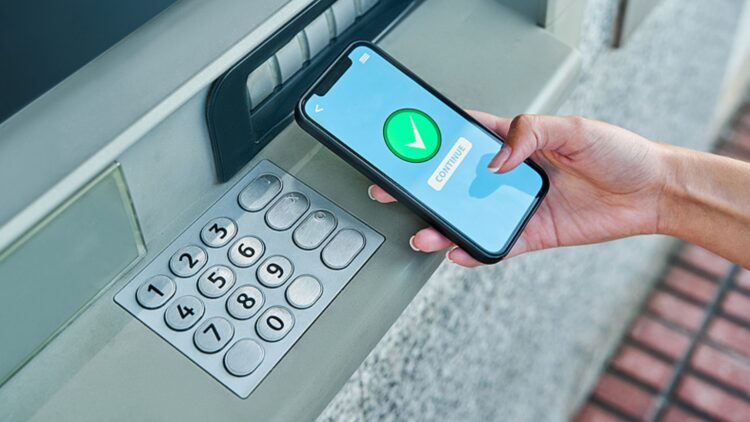
How many banking transactions do we carry out throughout the month, especially now that money can be sent quickly without fees… Or maybe they do have them? And really… how often do we stop to read the fine print when we open a bank account? This could now be the main reason why banks are “stealing” your money. And no, it’s not illegal (even if it doesn’t seem transparent at all). Be careful, not all banks do this, but some do. And since we don’t want you to be caught off guard, we’re going to tell you everything we know about these “ghost” fees that seem small at first but slowly end up taking your money.
What fees are we talking about?
They are small fees, also called “hidden” because you don’t see them right away. They’re not just based on account maintenance, but for example, they could be charging you for leaving the account unused, or for using the wrong ATM. What are the most common ones? We’ll tell you.
- Maintenance fees: Some banks charge you just for having an open account, whether you use it or not. They usually range between $5 and $15 a month, depending on how much you earn, of course, but maybe it’s worth considering switching banks.
- Overdraft fees: Going over your balance by a few cents can cost you between $30 and $35. And it doesn’t matter if it was a mistake: the fee is charged anyway. Make sure your account never hits 0!!
- Using out-of-network ATMs: If there’s something banks don’t like, it’s infidelity. So, if you use an ATM that’s not from your bank, they can charge you a double fee: one from the bank and another from the ATM itself. And that’s for your own money…
- Foreign purchase fees: Buying from a foreign website or using your card outside your country can activate an extra charge you weren’t expecting.
- Paper statement fees: If you prefer to receive your bank statements on paper instead of downloading them online, some banks charge you for it every month.
- Inactivity fees: Leaving your account unused for a few months can cost you. Some banks penalize inactivity, and if you’re not paying attention, the charge can go unnoticed.
- Early account closure: If you close your account before 90 or 180 days, you may get hit with an “early closure” fee, like a punishment.
And how do I avoid it?
Easy, we’ll leave you some tips because we don’t want your money to disappear into the bank’s pockets, so be careful, first of all!
- Choose fee-free accounts, especially online banks, many don’t charge for keeping the account open.
- Compare the terms of several banks before making a final decision.
- Keep your account active: a monthly payment, sending money to a friend or making a purchase, don’t leave your account without activity.
- Use only your bank’s ATMs: this advice may seem a bit silly, but whenever you can, make sure to use your own bank’s ATMs, so you don’t pay double every time you need cash. Check your bank’s app or website to find the nearest ATM, and if there’s another bank you can use for free.
- Review your transactions regularly in case there are any mistakes or strange activity.
And above all, always read the entire contract, the fine print is always the most important part and, curiously, it’s always where the relevant information appears. Remember that this practice we’re telling you about isn’t illegal (not moral either), but it’s very common!