
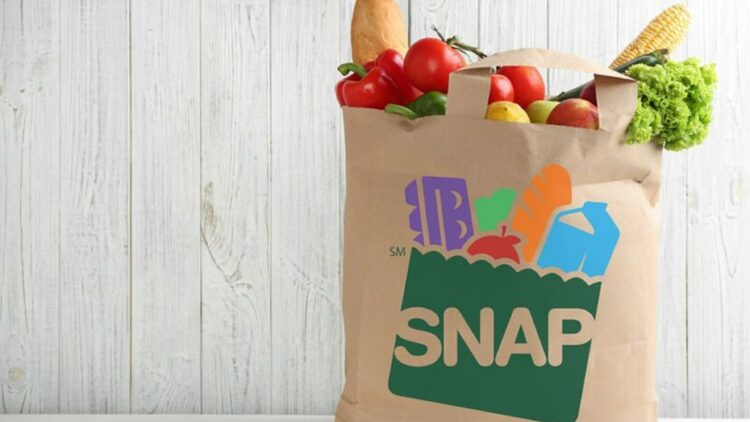
The difference between having a full fridge or going hungry, in the United States, is called SNAP (Supplemental Nutrition Assistance Program), and it is a federal program used by millions of families across the country to be able to maintain a balanced and healthy diet when the family economy does not allow it.
Each month, beneficiaries receive an amount they can spend in certain stores, and this month, the sum reaches up to $1,756. SNAP is not a fixed credit, and it varies depending on the members of the household, the state where you live (because it is each state that is responsible for issuing these payments even though it is a federal benefit), and other factors.
In addition, the latest changes proposed by the Trump Administration have made many families alert regarding this program. Are we almost at its final stretch? Let’s hope not, because we are going to tell you below how SNAP works and most importantly, when your payment will arrive.
How does SNAP work?
The SNAP program is designed so that families with fewer economic resources can access basic and healthy foods. We know that there are foods like pasta or rice that are very cheap, but carbohydrates have to be consumed in the right measure. In a country where a large percentage of the population is at the poverty line (11.1% in 2023), this program takes care of feeding millions of families who, otherwise, could not access, for example, meat and fish or other basic foods.
SNAP works very easily, also, as a user, you fill out an application and the state contacts you to issue you an EBT (debit) card if you qualify. Over the months, that card is what will accompany you to the supermarket (only in stores that have joined the program) to do the shopping.
How is SNAP calculated for each family?
Very easy, it is calculated based on the premise that families allocate 30% of their monthly net income to food approximately. If the household has no income, it receives the maximum amount, which can reach up to $1,756 per month.
This amount applies, for example, to families with net incomes of $5,853, according to current federal tables. But it also depends on the number of individuals in each family, for example, a household of 1 person earns a maximum of $1,255, but a household where there are eight individuals can qualify up to $4,394 per month.
But beware, there are restrictions regarding assets and accumulable resources, with limits of $3,000 or $4,500 only if there are elderly adults or people with disabilities in the household, as estimated by the U.S. Department of Agriculture.
What can you (and can’t you) buy with SNAP?
SNAP is very restrictive with what it allows you to buy: fruits, vegetables, meats, cereals, dairy, and even seeds can be part of your shopping ticket, however, no alcohol, no tobacco, no medications, no prepared meals (although there are places where they are accepting to buy with SNAP foods like ready-to-eat rotisserie chickens) and also no cleaning and personal hygiene products.
How do I shop with SNAP?
Very easy, go to the nearest supermarket that has the SNAP sticker, there fill your cart and go to the checkout. Pay with your EBT card. No one will ask questions, and if you’re embarrassed, no one will notice except your cashier, that’s what EBT cards are for!
SNAP payment dates
It is very important to remember that there is no fixed date for your SNAP payment to arrive, everything depends on the state you are in, some states issue their payments during the first 10 days of the month, others do it depending on the case number, so it is important that you know your state’s payment calendar to know when your May deposit arrives.
Is SNAP at risk?
Oh, Trump threatens the program, yes. It is believed that SNAP could face a 20% budget cut in the coming months with the objective of “reducing public spending.” If this were to happen, it would directly affect the health of 41 million American families who depend almost entirely on this program.