
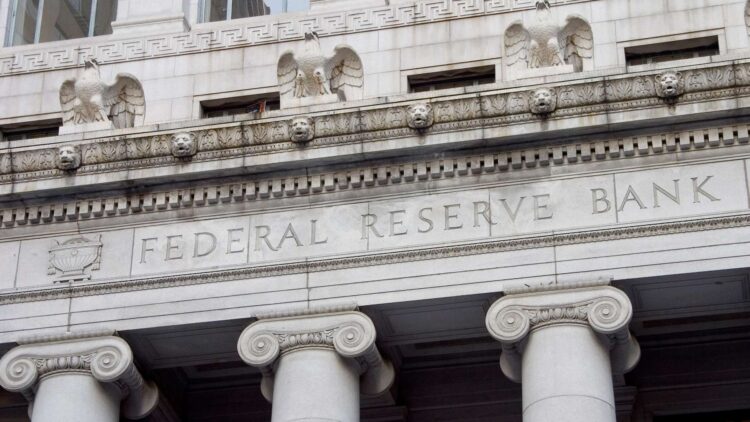
Attention, retirees! Those who depend on Social Security could face new financial challenges for this coming year, we know this maybe it is not the best new today, but, and that is because the Federal Reserve (FED) has recently made the decision, together with the Social Security Administration (SSA), to adjust the cost of living increase (COLA) again, due to the stabilization of inflation. What does this mean for those who depend on these payments? Stay with us and we will tell you all about it
New Federal Reserve guidelines: what you need to know
The Federal Reserve has decided to lower interest rates (for the first time in four years!!) and this change aims to stabilize the economy and reduce inflation once and for all, but it is clear that this will have a negative impact on those people who benefit from social income (and in their pockets too), since these people depend on the level of inflation suffered by the country. This does not mean that the income will be $0, no, but it is clear that the payment will be lower.
How does the COLA reduction affect our pockets?
Let’s go step by step, the COLA is a small extra amount of money that is added to any payment that comes from the SSA, so that, those people who benefit from social payments do not notice the rise in the prices of basic foodstuffs with inflation. This means that, to your usual income (whatever comes from the SSA) an extra % is added to mitigate these effects (of the inflation) and that the shopping basket is not noticed (or at least has less economic impact).
This percentage is calculated by using the consumer price index for urban salaried and administrative workers (CPI-W). According to recent data, the adjustment for 2025 could be only 2.5%, much lower than the increases of previous years.
The fall in energy prices, such as oil below $70 a barrel, also contributes to this trend.
The FED aims for a stable inflation of 2% in the long term, which implies:
- At the end of 2024, inflation was projected at 2.3%.
- At the end of 2024, inflation is projected at 2.1%.
And the changes will continue…
Although a lower COLA may seem manageable at first, its long-term effects are significant, of course. Experts anticipate that by 2026 the adjustment could be reduced even further and up to 2.2%. The main objective of this measure is to keep payments at the same level as inflation and to be able to easily acquire basic necessities (food, housing and health) without feeling that you are losing purchasing power when acquiring these products.
Strategies to maintain financial stability
- Adjust the budget: focus on essential expenses and reconsider those that are not a priority.
- Look for additional sources of income: explore options such as part-time jobs or investments.
- Consult with experts to develop personalized strategies to help you manage minor payment adjustments.
So, are low interest rates bad?
No! On the contrary, a low interest rate means that the country is approaching economic stability after four years of increases, now it is good news that the COLA is being estimated to be lower, because it means that prices will return to pre-COVID19 normality. So, a lower interest rate can help people who have debts or mortgages, since it could translate into relief from the cost of borrowing.