
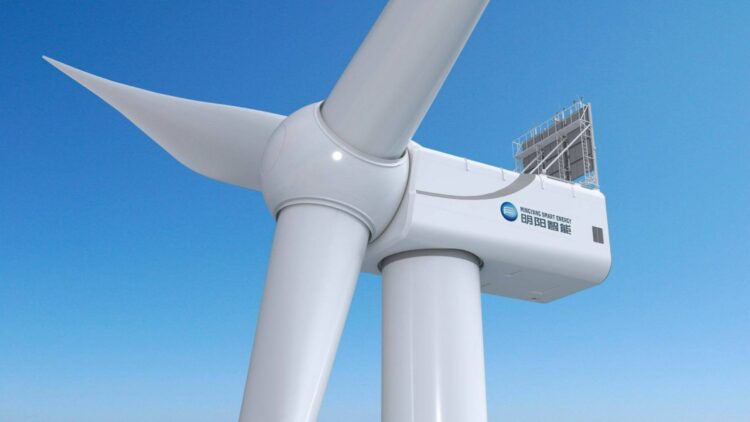
A new turbine called Heat Waver is revolutionizing the world of renewable energy. It combines solar and wind power, something very innovative, although not all the buzz has been positive. This invention merges the best of solar and the best of wind in a single structure. The result? A generator that continues to produce electricity even when there is no wind. But not everything is as clean as it sounds: some people are already starting to notice strange effects in the environment, effects that are literally visible.
Scientists describe this effect as “atmospheric distortion” or “thermal glow”. Is this invention about to change the rules of the game?
This is how the photovoltaic turbine works
The Heat Waver has blades covered in photovoltaic cells, so while they spin with the wind, they also capture sunlight. A double energy source in a single tower. Efficient, yes. But the problem is that in areas where they’re already in use, some neighbours have started to see a sort of distortion in the air. Like those waves that appear over asphalt in the summer, and no, that’s not normal.
A turbine that doesn’t stop
Unlike traditional turbines, this technology keeps working even on the calmest days, because it not only catches the wind but also receives sunlight through its blades.
Unprecedented!
Thanks to this hybrid architecture, the Heat Waver maintains a stable output throughout the year and reduces the typical downtimes of renewable technologies used separately (like solar in rainy seasons, or wind when there’s no breeze). And the best part is that it can work both in urban and rural areas!
But… what about the effect in the air?
What’s caught the most attention about this invention is that many users and residents have reported seeing mirages around the turbines, a distortion in the air that’s driving them crazy!
Of course, there is a scientific explanation. This phenomenon is related to the uneven absorption of solar heat by the blades and its later release as they spin. This creates small pockets of hot air that interact with cooler air layers, resulting in visible waves.
Is it dangerous?
For now, studies indicate that the effect doesn’t pose a direct threat. However, there are doubts about how it might affect local ecosystems, including possible changes in insect behaviour or low-altitude wind patterns.
Could it affect the ecosystem?
Some climatologists warn that if these turbines are installed in large numbers, they could cause subtle changes in the local climate, such as shifts in bird migration, plant growth, or animal reproduction cycles.
But others point out that the benefits of these turbines are far greater than any potential risks. In any case, there is a lack of long-term data on how this type of invention could impact the environment.
What comes next?
For now, the developers of this turbine will gather more data to adjust the heat dissipation system. The goal is to achieve clean energy without interfering with the natural balance of the surroundings, so there is still work to be done.
It’s normal that, when taking such a big step in energy transition, doubts arise about the possible impacts. In this case, the impact is visual, but… Will it be harmful? Will it not? We’ll have to wait to find out!