
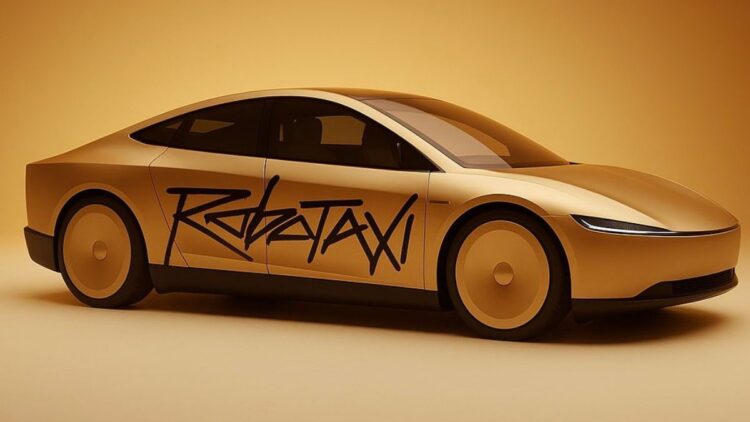
The robotaxi is going to become a reality, and sooner than we thought, because if one of the main challenges of adapting these vehicles to the population was federal extensions, the NHTSA has just announced that it wants to speed things up so autonomous vehicles can finally get their licenses in order!
A faster process will allow major mobility start-ups to finally deploy their robotaxi fleets, although insurance companies are also preparing for this revolution.
What is an autonomous vehicle?
Surely you’ve dreamed about it at some point, vehicles that don’t need a driver to operate, no driver, no steering wheel, no horn, no brake! The future of cars, really, all that’s left is for them to fly!
The main players behind these vehicles are, of course, Tesla with its robotaxi and Amazon, which is trying to take the crown from the big electric company.
Are there already autonomous vehicles?
What? You haven’t heard that Tesla’s robotaxi service is already being tested on the streets of Austin!! So very soon we’ll see these vehicles spread across the country.
What is the NHTSA going to do?
For now, they have the authority to grant requests that allow up to 2,500 vehicles (per manufacturer) to circulate without the required controls. Until now, the agency could take years to review these requests… But not anymore. They want to speed up the process so autonomous vehicles can become a reality on our streets.
New rules of the game
The NHTSA, as we said, is going to make a major effort to speed up the exemptions in safety requirements to ensure these vehicles meet federal safety standards and can start circulating in a few months.
And you might ask, why? Well, right now the cutting edge doesn’t belong to the United States, at least for now. You get it, right?
Sean Duffy, the Secretary of Transportation, has said that the process has been slowing down the developers of these cars, so that’s one of the reasons why they want to catch up with these companies.
What do the manufacturers think?
For now, Tesla is the most advanced in this process, since another company that requested the exemption was GM, but they withdrew their bid after having to pay $500,000 to a pedestrian hit by one of their vehicles.
For now, they will have to comply with state requirements, cameras, telemetry, and a minimum insurance policy, but after this announcement, they will be able to get circulation licenses!
Legal challenges and concerns
Of course, the matter doesn’t end here. This transition, which still has a way to go, will need a federal framework that defines responsibilities in case of damage. What will happen if the software fails? And the worst part is that they’re already late if they expect these vehicles to start running this summer.
Of course, the responsibility will be shared, but something that scares many users is the possibility of hackers taking control of one of these vehicles and creating chaos.
What is expected from autonomous driving
It’s expected that fatal accidents will decrease and there will be fewer crashes, although that’s just on paper. We’ll have to see what really happens when these vehicles officially hit the streets.
And yes, the autonomous revolution is already underway and we’ll have to see how robotaxis evolve in the very near future! It’ll be the same old story: adapt or die. For now, we’re excited to experience what it’s like to ride in a car with no driver! The future is flying cars, but for now, we’ll have to settle for cars with no steering wheel!