
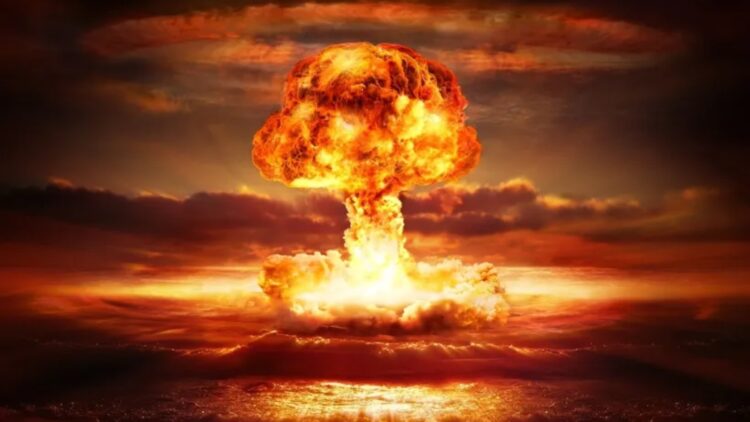
Nuclear explosions are the topic of debate on whether they could happen again or not. It’s been more than 80 years since a nuclear bomb was used in a belic conflict. However, nuclear weapons are still a threat for humanity because they have a huge destruction power and long-term negative effects on people, cities and environment.
Have you ever thought where are the safest places in case these explosions happened? In this article we will tell you all about where you should be in your city. So, let’s get started!
What’s the process of a nuclear explosion?
We can’t compare these types of explosions with others, because nuclear ones’ damage happens in several stages (each scarier than the last). These are the different phases of nuclear explosions:
- Sparkle at the beginning: the first thing you will see in this explosion is an extremely bright light capable of blinding people who directly stares at it.
- Fireball: at some point, a huge fireball is created and it reaches temperatures higher than the Sun’s surface. This will destroy everything near the point of impact from buildings and vehicles to trees and people, everything would disappear within seconds.
- Blast: after this, a shock wave reaches a huge speed and it would tear down buildings and break windows from miles aways. There’s also the possibility of people dying because of the impact of the wave or the structure collapse.
- Heat: the temperature is so hot because of the explosion it can start massive fires and serious burns.
- Radiation and acid rain: the explosion releases ionizing radiation which is very damaging for health because there are particles hung in the air.These particles slowly fall into the ground in radioactive fallout shape.
Possible distance to survive
Surviving a nuclear explosion depends on several factors, not only the fact that you are far from the explosion is the key. There are 3 more points to take into account: the size of the bomb, where it is detonated and conditions of the surroundings.
Alex Wellerstein, technology historian, developed an online tool – called Nukemap – capable of simulating a nuclear explosion anywhere to see its effects in detail. Imagine a 1,000 kilotons bomb (almost 67 times more powerful than the bomb explosion in Hiroshima) is detonated, everything will be immediately evaporated by the fireball within a 0,65 miles radius. Then, up to 4.4 miles from the epicenter, the shock wave would collapse most buildings and many people would die and be heavily injured.
What if we go further? If you are 7.6 miles away from the explosion, you could suffer from third degree burns.
Is surviving enough?
If a nuclear explosion happens and you survive because you were far enough, the consequences after could be devastating because of these reasons:
- Pollution due to radiation: the soil, water and air will be full of radioactive particles which are a risk for serious health issues like cancer.
- Infrastructure collapse: cities will be destroyed and there won’t be any hospitals, electricity, food nor medicine. Of course, communication systems won’t be useful.
- Nuclear winter: this is the name of a phenomenon provoked by the massive fires, smoke and dust which will block sunlight for months or even years! This will reduce global temperatures, affect agriculture and start a food crisis around the world.
The most powerful nuclear weapons in the world
According to Science Time, the United States, China and Russia are the ones that currently own powerful nuclear weapons. Some of these weapons can carry one bomb and others can transport several warheads at the same time, which will increase the damage.
However, Satan II (RS-28) is an intercontinental missile developed by Russia and it is capable of carrying a 50-megaton bomb, equivalent to the Tsa Bomb the Societic Union detonated in the Arctic in 1961 – the most powerful nuclear explosion in history.
So, as you can see, distance is not the most important factor when it comes to nuclear weapons. Of course you could survive, but there are other negative consequences that will also affect you and your health.