
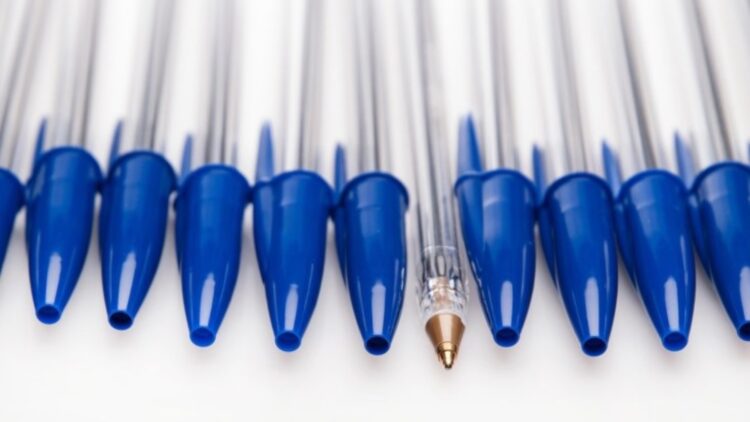
When you think of a pen, you probably just see a simple writing tool. But behind its everyday design lies some clever engineering, and even life-saving features. From the little cap on top to a tiny hole you might never have noticed, every part has a purpose. Thanks to international standards like ISO 11540, pens are built not just for writing, but also for child safety.
We are surrounded by many objects we use in our daily life that are designed with specific purposes, but we end up giving them a totally different one. So, let’s find out the original use of the different parts of these objects because I’m sure you will be surprised.
Everything is designed for a specific reason
We all have pens lying around—on our desks, in our bags, even in our cars. We use them mostly everyday to make notes, sign forms, or doodle during a boring moment. We are so used to using them that a pen seems like the simplest tool made of some plastic, ink, and a tip. However, we are so wrong because if you look closer, you’ll realize every part you see about pens is thought in detail.
The most unknown feature about these writing objects could probably be that tiny hole on the side of the pen. You’ve probably seen it before—right around the middle of the pen’s tube—and maybe even wondered what it’s for. Surprisingly, it plays a crucial role in our lives.
The hole in the middle of the pen’s tube
That small hole is there to equalize air pressure between the inside of the pen and the outside environment. Without it, sudden changes in pressure—like during a flight or even due to heat—could create a vacuum or a gradual increase of pressure inside the pen. That could cause the ink to leak, stop flowing, or in some cases, even burst.
Thanks to this small air vent, the ink flows smoothly no matter where you are, helping your pen work consistently—even at high altitudes. It’s a simple fix to a complex problem, and it’s something you probably never noticed until now.
No rolling
Another aspect of pens’ design is the shape, many of them are manufactured to have six flat sides known as a hexagonal shape. This isn’t an aesthetic decision, it’s also useful to stop the them from rolling off flat surfaces like desks or counters, which is very bothersome. If you’ve ever reached for a pen that didn’t immediately go tumbling to the floor, now you know why.
What about the cap hole?
The last part of pens we should mention is cap holes. At first, its purpose seems obvious—it protects the tip and keeps the ink from drying out. However, it is thought to save lives because manufacturers follow international safety standards (specifically ISO 11540) to prevent choking. Imagine a child swallowing the cap by accident, the hole allows air to pass through reducing the risk of suffocation. This tiny hole could make a huge difference in case of an emergency situation.
So the next time you pick up a pen, remember—you shouldn’t underestimate it because it’s more than just a basic writing tool, it’s a clever piece of everyday engineering. How crazy is that this little object has so many positive purposes? From now on, I’m sure you won’t see these writing instruments in the same way and you will try to have one near you, just in case. This is an important thing to know so you should spread this information so that more people know how to properly act when any emergency occurs.