
“One Big Beautiful Bill” is how it is called the new legislation signed by President Donald Trump, have you heard about it? It is a package of reforms in which he declares war on what he calls “waste” in the Social Security Administration. But of course, this reduction in payments will impact the most disadvantaged households in the country, as always.
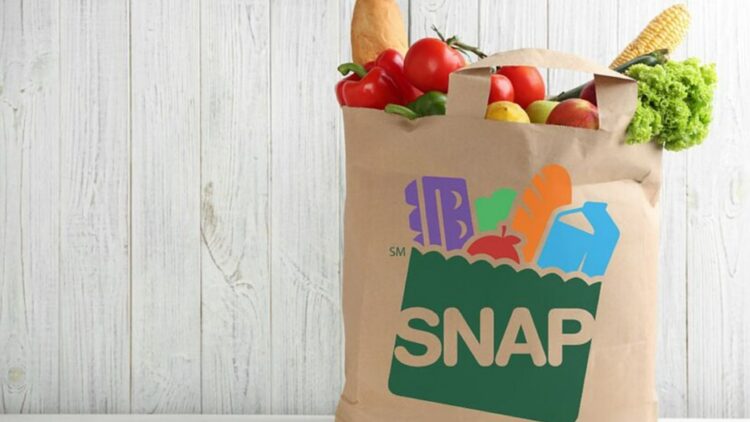
One of the pillars likely to be most affected is the Supplemental Nutrition Assistance Program (SNAP), one of the most important programs which more than 41 million people across the country rely on to eat properly…
With this law, Congress estimates that more than two million beneficiaries could be excluded from the system in the coming months, it is savage… New work requirements, administrative cuts, and restrictions for non-citizens…
What’s going on?
As mentioned, the new legislation, which according to the White House aims to “reduce public spending and modernize the system” (really public spending is “waste”?????) overlooks the fact that some nutrition programs depend on the federal government even though they are managed by the states.
Organizations like the Atlanta Community Food Bank have warned about increased pressure on aid networks… So, if you rely on SNAP or know someone who does, you need to stay alert to all these changes that are coming soon.
What’s changing with SNAP?
Take a look because there are big changes are coming to SNAP, and they’ll affect a lot of families… From now on, adults without disabilities will have to work (or at least join a job program) until they turn 65 (instead of 54 like before). Even parents who take care of kids over 14 will have to follow this rule.
Other changes to keep in mind
If you remember SNAP-Ed, the program that offered free nutrition classes thanks to federal funding? It will suffer cuts too. It’ll be gone by the end of the year.
What about migrants?
Unfortunately, SNAP will now only be available to U.S. citizens, permanent residents with a green card, and a few protected groups… That means many immigrants without full legal status will no longer qualify to SNAP, something that feels especially unfair to those working hard to build a life here…
To make thing worse, any state that goes over the payment limit could be penalized.
And one more thing…
The Thrifty Food Plan, which helps decide how much people get in SNAP benefits, will only be reviewed once a year from now on, making it harder to keep up with rising food prices, completely unfair…
The social impact
“We are serving nearly 250,000 households a month and demand keeps growing” said Kyle Waide, executive director of the Atlanta Community Food Bank. The expectation is that, as SNAP benefits are reduced, more people will turn to food banks, community kitchens, and other local networks.
Are there alternatives to SNAP?
Yes, and here’s a list:
- WIC offers nutrition education, and counselling for pregnant women, nursing mothers, and children under 6 years old.
- NSLP and SBP are other programs that provide meals in public and private schools.
- The TEFAP program distributes free food through kitchens and food banks, and CSFP provides monthly food packages to low-income seniors.
- Meals on Wheels delivers meals to seniors or people with mobility lacks. There are also SFMNP vouchers to buy fresh products at farmers’ markets.
If you need immediate help, you can find local distribution points by calling to 888-976-2232 or calling 211 for personalized guidance.
The changes to SNAP will be felt across the country over the coming months. Staying well-informed and looking for alternative options can make a difference. Check updates from the Department of Agriculture (USDA) regularly and stay in touch with local agencies to protect your rights and access available resource