
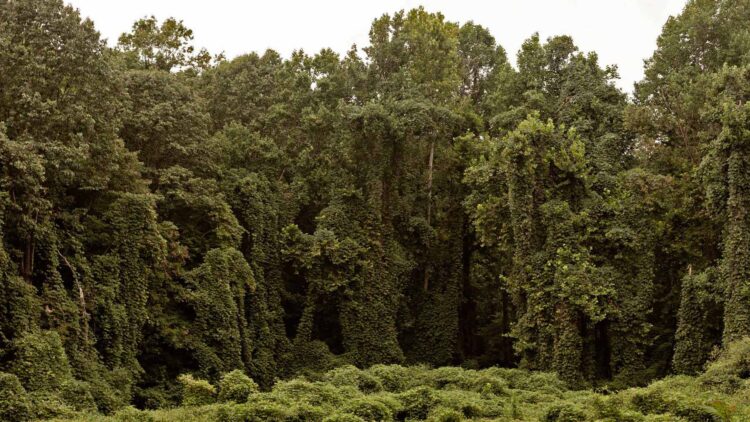
Our planet Earth is greener! What great news, right? Well, you should know that a green planet doesn’t always mean the environment is okay. This phenomenon, known as global greening, has to do with climate change, the increase of CO₂ in the atmosphere, and rising global temperatures.
While plants do absorb CO₂, this rapid change is disrupting ecosystems and threatening biodiversity. The same forces driving the spread of green are also symptoms of a planet out of balance due to global warming. So, what looks like a greener world may actually be another warning sign of the environmental crisis we face. Let’s see in more detail what’s happening.
Why our planet is no longer just the “Blue Planet”
For a very long time, based on space imagery, Earth was known as the “Blue Planet” because its oceans and atmosphere stood out in blue. But that is changing—scientists monitoring Earth via satellites have noticed that the planet is becoming greener, which signals deeper environmental changes, many caused by humans.
What is “Global Greening”?
This means vegetation is increasing on the planet’s surface. If we compare the vegetation situation on Earth between now and before, now there are more plants, more leaves, more trees and more areas covered in green. How do we know this information? Thanks to satellite images that compare Earth before and peasant times.
According to these images, the planet is greener than ever in satellite registers. For example, large areas that were brown or dry, appear to have more vegetation. This might seem as something positive for our planet, but it is not that clear…
Why is this happening?
The main cause of our planet going greener is the increase of carbon dioxide in the atmosphere. This gas is what plants need to make photosynthesis, the process in which they produce their food. So, when there is more carbon dioxide, plants grow faster and abundantly. This is why this gas is acting kind of as a global fertilizer, making vegetation spread more than before.
Why more green isn’t always better
While it may sound positive, this increase in vegetation can have serious drawbacks:
- Fast-growing species can invade and replace native plants.
- Changing plant types can disrupt entire ecosystems, affecting wildlife.
- Biodiversity—the variety of life—can decline when one species dominates.
- Some plant growth increases the risk of wildfires, by changing water distribution or producing more dry material.
- Dense, dark green forests trap more heat, potentially raising local temperatures, unlike deserts or lighter-colored areas.
In short, growing more green is not a sign of planetary healing, but rather a sign of environmental imbalance driven by climate change and human influence.
What does this mean for Earth’s future?
This aesthetic change color from blue to green, it is visible evidence of Earth’s natural balance being altered by us. More plants is not a synonym of health planet in this case.
Scientists around the world are working to understand what lies ahead: Will global greening persist or slow down as ecosystems change? How will this affect ecosystems, climate, and biodiversity? What will the implications be for climate change mitigation?
One thing is clear: Earth is no longer the same, and its changing color—from blue to green—should make us think deeper about this situation. Even though Earth looks greener from space, that does not mean it’s healthy. In fact, it might be a warning that we are disturbing its natural balance. Who would have thought green wasn’t a positive thing for the environment, right? That’s why we should listen to what institutions and scientists have to say about our planet.