
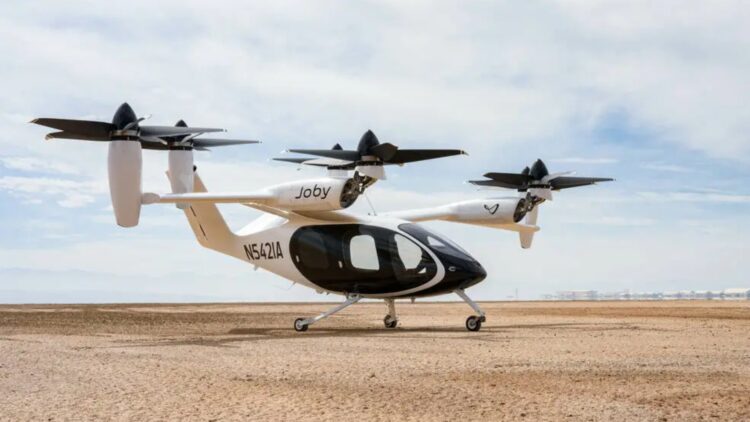
NASA is improving air taxis design. The aviation industry is moving toward the development of new electric air taxis and other aircraft that use lightweight and innovative materials. These vehicles are intended to operate in urban environments and offer a fast alternative to traditional transportation.
But as these new models are being designed, an important need arises: to understand how those materials behave in the event of an accident. For this reason, NASA is conducting tests to study how to better protect passengers in case of impact. So let’s learn more about these NASA air taxis, shall we?
What did NASA do?
On June 26, at NASA’s Langley Research Center, located in Hampton, Virginia, researchers carried out a drop test. They used a full-scale structure representing the body of an air taxi and dropped it from a tall steel structure, known as a gantry.
During the test, the vehicle was raised about 35 feet (10 meters), then released, swung forward, and crashed into the ground. This test was similar to another one conducted by NASA in 2022, but this time a 10-degree yaw (rotation) was added to the vehicle to simulate a condition required by the Federal Aviation Administration (FAA) for certifying this type of aircraft.
What did the researchers observe?
After the crash, researchers began evaluating the results. They studied how the body of the vehicle held up, how the simulated batteries behaved, and whether the energy-absorbing areas worked properly. These areas, called energy-absorbing subfloors, are similar to crumple zones in cars (parts designed to crush and absorb impact, protecting the occupants).
The impact results matched what was expected according to computer simulations, which had been improved using data from the previous 2022 test. This is important because it confirms that the simulations are working correctly and can predict how these vehicles will behave in an accident.
In addition, mass was added to the vehicle to simulate the placement of underfloor batteries, as many electric air taxis are expected to have. This allowed the team to collect data on acceleration levels that could affect both components and passengers in that area.
What is the purpose of these tests?
The goal of these tests is to generate reliable data that helps:
- Improve the structural design of air taxis.
- Incorporate technologies that absorb impact energy.
- Establish more precise safety regulations.
- Validate the computer simulations used to design these aircraft.
- Share knowledge with the public and the industry to speed up the safe development of this new technology.
This research is part of the Revolutionary Vertical Lift Technology project, which belongs to NASA’s Advanced Air Vehicles Program. The work falls under the mission of Advanced Air Mobility, which aims to provide useful data to companies developing electric air taxis and drones for use in cities and other populated areas.
What does this mean for the future (and you)
As the dream of flying taxis edges closer to reality, these tests allow the development of new aircraft to be more safe and reliable, helping prepare the way for a future in which flying taxis become part of everyday transportation.
The research NASA is doing today isn’t just about machines — it is about you, the future passenger. Whether you’re commuting across a city in minutes or watching a quiet electric aircraft glide overhead, these crash tests ensure that safety keeps pace with innovation. So, next time you hear about air taxis, you’ll know that behind every smooth ride is a team making sure it is built to protect. Did you know about these air taxis? I’m sure many people are willing to try them.