
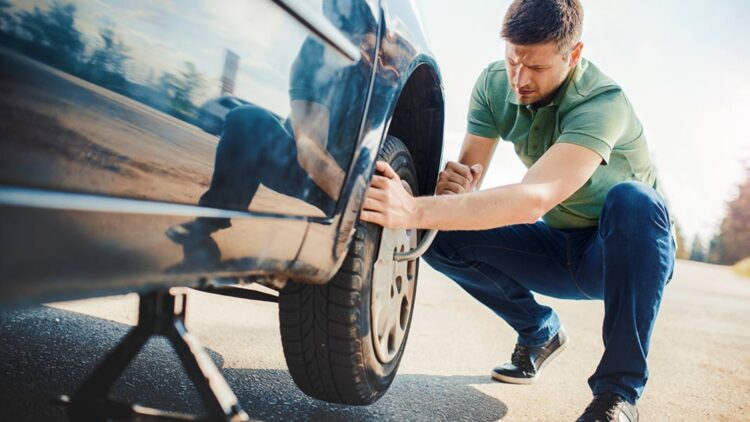
Have you found yourself in the situation of not knowing where to put the tires on your car? Is it in the back or front? When we have to deal with the annoying moment of changing tires, the most logical thing to do is to put them in the front axle because it’s where the direction is (and most cars you will find traction too). However, experts on road safety agree on: new tires should always go in the back axle. So, let’s find out the reason for this decision.
Why new tires go in the back of the car
Putting new rubbers in the back axle is safer and there are three reasons why experts recommend it. So, let’s see them:
- Better stability: The back axle holds less load than the front one. This means it has less adherence, mostly during sharp turns or emergency braking. So, putting new tires in the back improves traction and reduces the risk of losing control over the car in cas of skidding or oversteer.
- Better control over skids: If the back tires lose grip, you have few options to correct this because these tires can no longer trunks with the steering wheel. However, if this happens in the front axle, the tires can still turn. That’s why keeping the best rubbers at the rear gives you a safer margin in dangerous situations.
- Less risk of hydroplaning: New tires have deeper tread patterns that channel water more effectively. Placing them at the rear lowers the chance of hydroplaning.
Is the same for AWD cars?
For All-Wheel Drive (AWD) cars, the rule changes. These vehicles require all four rubbers to be the same diameter for the central differentials to work properly. Replacing only two of them can create mismatched rolling diameters, leading to unnecessary wear and even mechanical damage.
That is why AWD experts recommend replacing all four at the same time and rotating them regularly (every 6,000 miles) to ensure even wear. If you think about it, it is better to do this than just change the tire that is most worn away because we are talking about your safety and those who go in the car with you.
Stop combining rubbers with different conditions
When combining new and old ones, you can be putting your car at risk. Why? Because old tires turn differently than new ones, which generate an extra effort on parts like differentials and transmission.
Although this issue is most critical in AWD cars, even two-wheel drive vehicles can lose balance and handling if rubbers are mismatched.
Maintaintenance
Something you should have in mind is that you can guarantee your safety and make them useful for a longer time. Yes, this is true. How can you do this? Well, what experts recommend for this is to constantly check your tires’ condition by doing this:
- Check tread depth: replace tires when tread falls below the legal limit or manufacturer’s recommendation.
- Inspect for damage: cracks, cuts, or bulges can compromise safety even if tread looks fine.
- Maintain proper pressure: underinflated or overinflated tires wear unevenly and increase fuel consumption.
- Alignment and balancing: poor alignment causes irregular wear and affects steering control.
Tires can be a difficult thing to deal with for many people, but if you follow experts’ recommendations you shouldn’t have any trouble. The most important thing is that every element of your car is in good condition, that is why you should always remember: caring for your rubbers isn’t just maintenance, it’s an investment in safety, performance, and peace of mind. Have you ever experienced a negative situation with tires?