
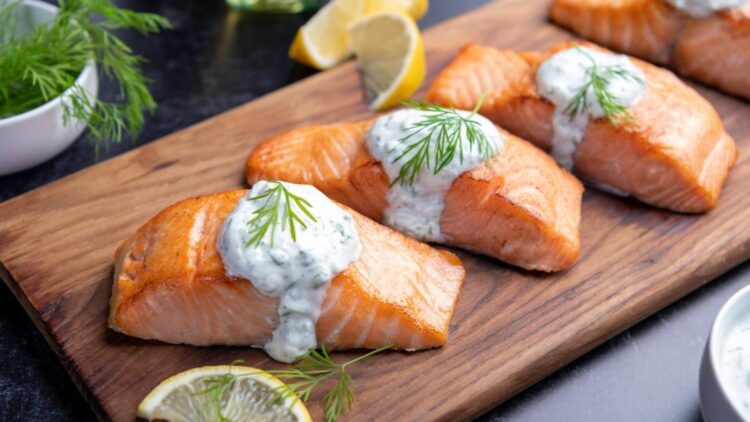
Are you a fish lover? Today we are going to tell you about one of the most consumed fish because of its flavor and reputation for being very healthy. It’s full of proteins, vitamins, and Omega-3 fatty acids, which are great for your heart, bones and even your skin. However, not everything is as good as it seems: this fish can contain parasites and, depending on its origin, it’s not always that healthy. Oh! Sure, you want to know which fish we are talking about, right? It’s salmon! So, let’s find out more about it.
Salmon and parasites
The first thing that shocks most people is that salmon can contain more than 70 different parasites in a natural way. This happens because of its life cycle: when salmon are young they live near the coast and they are in touch with marine mammals. These animals help parasites to stay alive and salmon ends up being the perfect refuge.
I know this sounds gross, but most of these parasites die when we cook the fish, so the real problem is on how salmon is raised before we eat it.
Wild salmon v. Farmed salmon
The difference between wild salmon and farmed salmon is very clear:
- Wild salmon eat naturally and have a healthier nutritional profile.
- Farmed salmon usually have more unhealthy fats, more contaminants, and nearly double the calories (212 vs. 115 per 100 grams).
Today most salmon we eat don’t come from the wild ocean, but from fish farms. In this place fish live in reduced spaces surrounded by thousands of other salmon, but workers use pesticides and antibiotics to burn the fish’s skin so that they don’t get sick (and we can then eat them).
People who work on these farms even wear protective suits because the products are toxic. Isn’t it ironic? I mean, what it should protect fish can be a risk for those who end up eating them.
Benefits of this fish
Leaving behind these negative aspects, salmon is still a fish with many advantages if properly consumed:
- High in protein and minerals like iron, calcium, phosphorus, and magnesium
- Rich in vitamins B and D, which are essential for bones and energy
- Helps prevent skin problems and slows aging thanks to its anti-inflammatory properties
- Omega-3 fatty acids are great for brain function and heart health
That’s why many nutritionists recommend eating it, but it’s true they prefer wild salmon over farmed one.
Healthy alternatives
If you don’t want to constantly eat salmon, there are other types of fish that are also good for your health such as:
- Sardines: packed with Omega-3 and with fewer contaminants
- Mackerel: another good source of healthy fats
- Herring: nutritious and full of vitamins
All of these fishes can be more affordable and safer than farmed salmon. So, why don’t you have a go at these options?
Economic and political side
Apart from health issues, salmon is also at the center of an economic debate: In the U.S. Donald Trump’s plans to raise taxes on imported products could make this fish more expensive. Most of the salmon consumed in the U.S. comes from Canada and, at the same time, most of the wild salmon from Alaska is exported to China.
So, if these taxes increase and each country responds with retaliation, the prices of salmon could reach very high figures. Of course, this would affect families, businesses, and fishermen.
We hope these economic and political issues are solved in the near future because what we care for is our health. Here, we have told you some other alternatives to substitute salmon if you want, but remember you need to follow a balanced diet and take care of yourself too.