
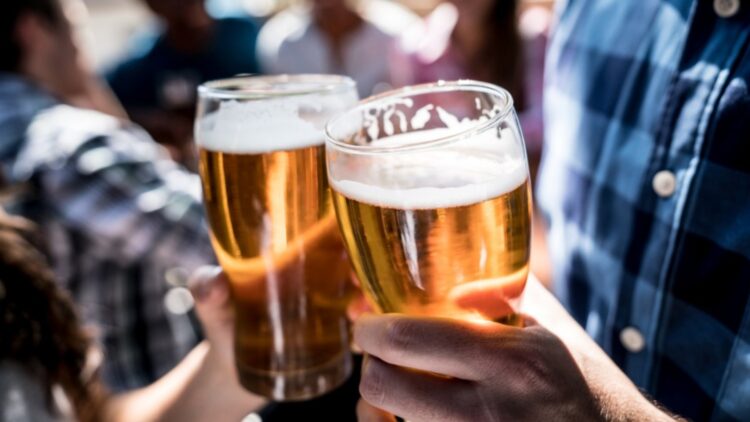
Grabbing cold beers with your friends on hot days is a great feeling, isn’t it? However, today we are going to tell you something that might surprise you about this drink: not all beers should be served that way. The world of beer is more complex than we might think, that’s why if you want to get the most out of every sip, understanding the right temperature for your beer is key. So, let’s get started and discover how to properly enjoy your beer.
Importance of temperature
Temperature changes the way you taste and smell beer. Most people don’t realize it, but beer can taste completely different depending on how cold or warm it is. If it’s too cold, your tongue goes a bit numb, the subtle flavors disappear, and the bitterness feels stronger. But if it’s just a little warmer, the beer opens up — releasing more aromas so you can enjoy the fruity, spicy, roasted, or malty notes that make each style unique.
A different beer, a different temperature
Serving every beer at the same temperature would be a crime! That’s why we have the perfect and simple guide to help you serve each type correctly:
- Lagers and Light Ales: Serve at 4°C to 7°C (39°F to 45°F). These are designed to be refreshing, clean, and crisp. Cold highlights their freshness and makes them the perfect thirst-quenching option on a hot day.
- Wheat Beers, Golden Ales, Pale Ales, and IPAs: Serve at 7°C to 10°C (45°F to 50°F). At this slightly warmer range, fruity, citrus, and spicy notes become more noticeable. For Pale Ales and IPAs, it also helps balance the sharp bitterness of hops with the smooth sweetness of malt.
- Stouts, Porters, and Dark Beers: Serve at 7°C to 13°C (45°F to 55°F). Dark beers often have rich flavors like coffee, chocolate, and caramel. Serving them slightly warmer brings out these tastes and makes the beer feel smoother, while serving them too cold can hide their depth.
- Belgian Beers and Strong Ales: Serve at 12°C to 15°C (54°F to 59°F). Belgian beers and strong ales usually have many layers of flavor, such as spice, fruit, rich malt, and even liquor-like notes. They are best enjoyed slowly, like a fine wine, and slightly warmer temperatures bring out their full character.
The right temperature
You don’t need a thermometer every time you pour a beer. A few simple tricks can help you get close to the ideal temperature:
- Straight from the fridge (about 4°C / 39°F): Perfect for lagers and light beers.
- Leave it out for 5 minutes: Great for Pale Ales and IPAs before pouring.
- Leave it out for 10–15 minutes: Best for stouts and porters to warm slightly.
- Cool cellar temperature: Strong Belgian ales and high-alcohol beers are best enjoyed closer to room temperature, but still cool, not warm.
Glassware matters too because narrow glasses keep lighter beers colder for longer, while wide glasses allow richer beers to release more aroma.
Common mistakes to avoid
Here are three common errors people make with beer, so that you don’t repeat them:
- Serving all beer ice cold: Works for lagers, but ruins darker and stronger beers.
- Letting beer get too warm: Beer should never be hot or at full room temperature. Aim for cool but not icy.
- Ignoring storage: Even the right temperature won’t save beer that’s been exposed to sunlight or heat. Store bottles properly to protect the flavor.
Now that you know a lot about beers, you are ready to properly enjoy this drink.I’m sure you won’t have a beer the same way you did before this article. So, let’s grab one and you’ll see it tastes so much better!