
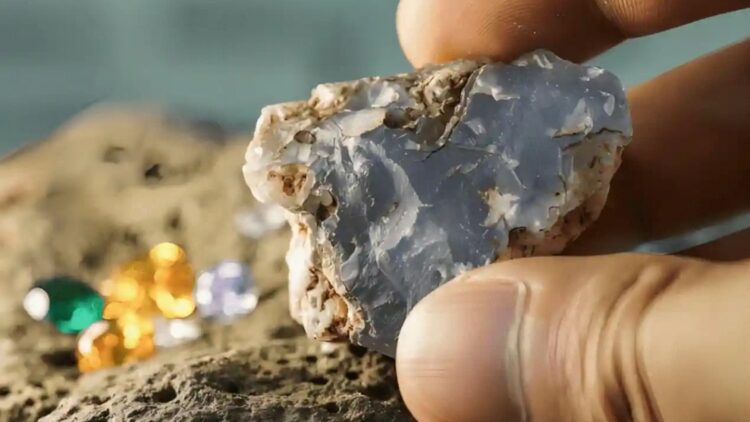
Bye to lithium? Every EV on the road today depends on lithium-ion batteries to store energy and power the car, but this could change because of another mineral: manganese. A massive finding in South Africa (more than 400 million tones of this mineral) could transform the way in which batteries are made and reduce global lithium dependency. So, let’s find out more about the new rival for lithium, shall we?
Importance of lithium
Lithium batteries are lightweight, powerful, and can store a lot of energy in small spaces; which is perfect for those manufacturing EVs, smartphones and renewable energy systems. Unfortunately, this mineral has some issues that have made manufacturers look for other alternatives:
- Limited supply: Most of this mineral comes from a few countries such as Australia, Chile, and China.
- High costs: Demand keeps rising, so do the prices.
- Environmental impact: Mining this element usually uses a lot of water and can harm delicate ecosystems.
Manganese
This mineral is mostly used in steel production, but now is gaining prominence because of its use in batteries with combinations like lithium-manganese or nickel-manganese-cobalt that make batteries more stable and longer lasting. What’s more, manganese has several advantages on its own than lithium:
- Less toxic.
- Easier to recycle.
- Abundant worldwide, meaning less risk of shortages.
- Cheaper to extract and not as water-intensive.
All of this makes it a great rival against lithium in the batteries market.
Discovery in South Africa
The great news is that a huge manganese reserve has been found in South Africa, in the Mamatwan Mine. This area has around 80% of the global manganese, and it is estimated to be more than 433 million tones of the mineral.
This finding could make South Africa a key supplier into the clean energy economy. Until now, countries like Australia, Chile, and China were the big deal in the lithium market, but when it comes to manganese South Africa could take the lead in the batteries world.
A possible transformation in the EVs market
Beyond the 400 million tones of manganese, this discovery could change the EVs market:
- More affordable EVs: Batteries made with manganese could cost less to produce, which means electric cars could have lower prices for regular buyers.
- More reliable supply: Since many countries can produce manganese, the world wouldn’t have to rely so heavily on lithium from only a few regions.
- Greener production: Getting manganese out of the ground causes less environmental damage.
- Longer-lasting batteries: Manganese can improve the stability of batteries, meaning EVs could run for more years without battery replacement.
Are EVs companies interested?
Sure they are! Tesla and BYD are already showing interest in technology based on manganese because it offers better performance at low cost.
In the meantime, other experimental ideas are being analyzed like the one of batteries with bacteria (unthinkable, right?). However, since there is so much manganese, experts think this mineral could be the practical next step after lithium.
The future of lithium
Does this mean this mineral is over? Not really, lithium batteries are still one of the most used and they won’t disappear soon. But just depending on lithium is expensive and risky. The combination of this mineral and manganese, or even a partial replacement, could lead to cheaper, safer, and more sustainable batteries. So, EVs would be more accessible for millions of people around the world.
We are witnessing another great way of using technology advances to make positive changes in our habits that will benefit the environment, isn’t it great? Would you like to own one of these vehicles when they are out in the market?