
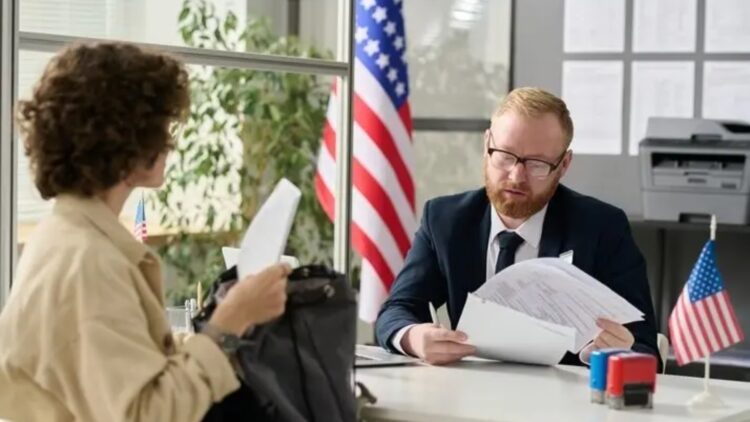
If you are scared of having your visa denied, you should read what a former vice consul in the U.S. has to say. Applying for the visa can be a stressful process because many people prepare for weeks, collect all the documents they need, and yet they receive an unexpected denial. To better understand what the consular officers look for in the interviews, a former vice consul of the U.S. explained the most common mistakes that lead to the negative answer. What’s more, he gave some advice to increase the possibilities of approval. So, let’s find out what’s the best way to approach this situation.
Who is this former vice consul?
We are talking about Brent Hanson, who worked as vice consul in U.S. embassies and consulates in Mexico, El Salvador and Panama. For years, he checked thousands of visa applications and now he works as an international advisor and lecturer, sharing his experience to help applicants better prepare.
Hanson confirms the key is to be honest, natural, and coherent during the interview. However, there are some applicants who make some mistakes that lead to visa denial. So, let’s have a look at them.
1. Flash deposits
Some people deposit huge amounts of money on their bank accounts the day before the appointment to appear they have credit worthiness. But be careful because this is suspicious for a consular officer. The ex vice consul explained: “Two weeks ago there was almost nothing in the account, and suddenly there’s $5,000—where did it come from?” This kind of maneuver often leads to immediate denial.
2. Rehearsed answers or artificial
Memorizing exact addresses or very detailed itineraries can sound fake. What consular officers want is that the applicant talks in a fluent and believable way, so if the person seems to be reading aloud a text it’s probable the result is negative.
3. Depending only on documents
Many visa applicants respond just by showing their documents instead of answering with verbal answers. According to the former vice consul, you should explain very clearly the purpose of your travel, income, and links with the origin country; and then you use the documents to prove your answers.
4. Make up fake travels
Rumor has it that saying ‘’I’m going to Disney’’ can be negative for you, but Hanson states that it doesn’t matter the destination as long as it’s real. The thing is when someone lies: if you make up a fake trip, the consular officer can ask you simple questions about theme parks or rides and your lie will be discovered.
Discretion of consular officers
The former vice consul explained that, even though immigration laws haven’t changed during Donald Trump’s government, it increased the pressure to be more strict. Consular officers have the power to decide and, in case of a reasonable doubt, the best thing to do is to deny the visa.
This means that trust is the most important factor, so any small mistake or contradiction you make during those minutes of interview can be crucial for consular officers to opt for a negative answer.
Fraud consequences
One of the most serious points the former vice consul mentions is fraud. If any false information or fake document is detected, the case is sent to the fraud section under the 6C1 rule. This means a life punishment: the person will be banned from getting an American visa.
What to do after visa denial
Hanson’s advice is not to immediately ask for another appointment, you should wait at least a year and, most important, show some changes:
- A new job.
- Higher or more stable income.
- Travel to other countries that prove you are a genuine tourist.
Insisting on getting the visa with no updates seems like you are desperate and it will reduce your chances to have the approval. So, the best thing to do is tell the truth and support it with documents so that you don’t have to experience any trouble.