
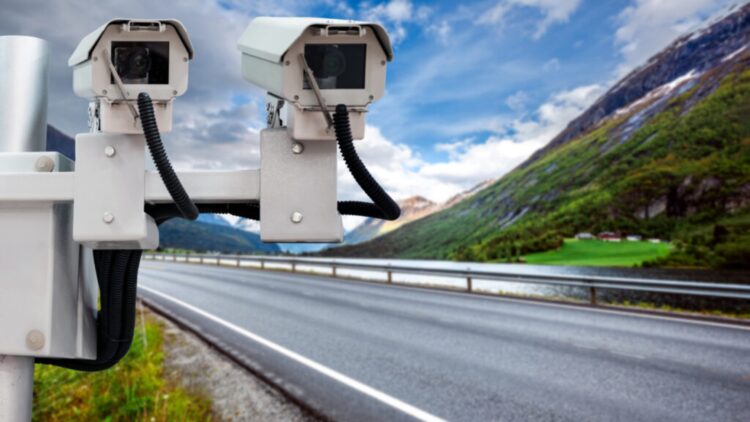
There’s a new proposal that will stop photo tickets: Freedom from Automated Speed Enforcement. Automatic speed cameras have become a key tool for many states in the U.S., because they allow authorities to identify drivers who exceed speed limits and issue fines without needing an officer present. However, this new proposal could stop these programs and change the way to fight against speeding violations. So, let’s learn more about Freedom from Automated Speed Enforcement.
Automatic cameras and road safety
The main goal of the automatic cameras is to reduce traffic accidents caused by speed excess. It’s proven that the faster you drive, the higher the risks of serious injuries and deaths on the road. That’s why the implementation of these systems has been seen as an efficient solution in most cities.
Let’s take as an example Minneapolis, which in 2025 started a pilot program with 5 automatic speed cameras, but the city plans to expand it and reach 44 locations in 2029. This effort is part of its initiative Vision Zero to avoid deaths in traffic accidents. So, the first 5 cameras will be located in strategic places like: Freemont Avenue North, 18th Avenue Northeast, 3rd Street North, Chicago Avenue South and Nicollet Avenue South. Those drivers who are detected by the cameras, will have to pay fines between $40 and $80.
According to the official website of the city, other places have already shown that this type of cameras help reduce accidents and save lives. Since 2020, Minneapolis has experienced an increase in the number of deaths on the road and excessing speed limits is the main cause.
The Freedom from Automated Speed Enforcement threat
Despite these advantages, on September 17 of this year, Congressman Pat Harrigan introduced the Freedom from Automated Speed Enforcement to the House of Representatives. What does this initiative propose? Let’s find out:
- Restrict federal highway funding for states that use automated speed cameras.
- States that keep these programs would lose 10% of their federal funding.
- The only exceptions would be school zones and construction areas, where cameras would still be allowed.
The reason behind the initiative is that the cameras represent a kind of ‘’hidden tax’’ to drivers, instead of investing in more officers on the road.
Consequences for the states
If the Freedom from Automated Speed Enforcement is passed, many states will be obligated to rethink their speed camera programs. This would directly affect those efforts to improve road safety through automatization.
At the same time, some states are adopting new measures like Maryland, which is thinking about reducing the speed limit to 5 mph in all its roads and highways.
What’s more, from October 1, the state will apply stricter penalties to those drivers going faster than 30 mph with fines of thousands of dollars and even jail time.
The debate
Now, the debate between safety and funding is on and there are two views:
- On the one hand, cities and states consider the cameras to be an efficient and necessary tool to save lives.
- On the other hand, there are people who think they are an unfair economic charge for drivers and a substitute for officers’ presence on the road.
As you can see, Freedom from Automated Speed Enforcement is an important point in the debate on how safety on the roads must be guaranteed in the U.S. So, the result of this initiative will be key for the future of automatic speed cameras and the direction of U.S. traffic safety policies. What’s your view about the Freedom from Automated Speed Enforcement Act? Do you think it is a positive change?