
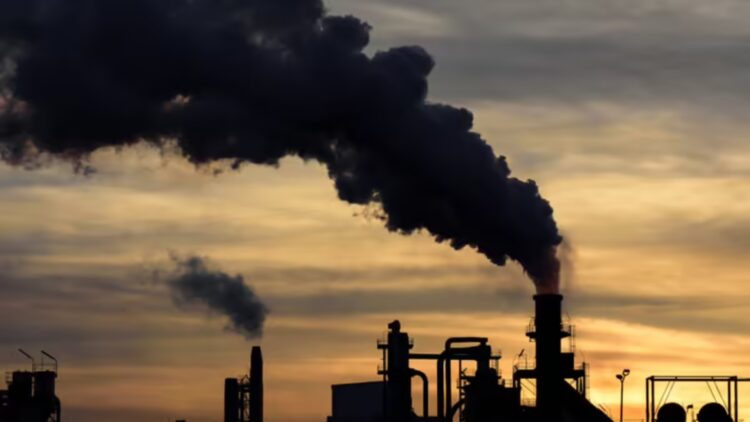
We’ve heard a lot about hydrogen, but what about black hydrogen? Although this has been presented as part of the energy transition, black hydrogen has become one of the most expensive mistakes on the planet. It’s true that hydrogen has been announced as ‘’the clean fuel for the future’’, not all of its forms are really clean… Black hydrogen, mainly produced from coal, carries a massive carbon footprint and threatens climate goals. So, let’s find out more about this element.
Black hydrogen
This element is obtained from a process called bituminous coal gasification, in which the coal reacts with steam and oxygen to very high temperatures to form synthesis gas. Then, this gas is processed to extract hydrogen.
THe thing about this is that it generates a huge amount of polluting emissions and, according to the International Energy Agency (IEA), producing just 1 kg of the black hydrogen emits between 22 and 26 kg of CO₂ equivalent. What’s more, many of these processes lack systems that capture efficient carbon, which makes black hydrogen one of the dirtiest sources of energy.
Why is it still used?
Well, even though black hydrogen is not a sustainable solution, it’s still present in some countries because of economic and structural reasons:
- Existing infrastructure: coal reservoirs already have rail lines, mining sectors, coal-fired power plants, and chemical industries that depend on this resource. So, changing these things would be expensive and complex.
- Weak regulation: in many places there aren’t strict rules that oblige them to pay for carbon emissions. Therefore, with no real prices to carbon, black hydrogen is like a cheap option on paper.
- Industrial demand: for decades, ammonia and methanol industries have worked with fossil-based hydrogen, which is resistant to change.
This way, black hydrogen is more than a technical problem, it’s a matter of economic and regulatory inertia.
Hidden impacts of black hydrogen
The environmental and social costs of black hydrogen is higher than it might seem:
- High emissions: each kg of black hydrogen releases more than 20 kg of CO₂, which goes against global climate goals.
- Mine contamination: coal extraction releases methane, heavy metals, dust, and alters nearby water and soil.
- Damages to ecosystems: the areas around the mines tend to suffer from degraded air quality, ecological disruption, and significant greenhouse gas emissions.
- Hidden economic impact: even though it’s presented as cheap, health, environmental and climate damages make it a very expensive option for society.
How to leave black hydrogen out
As you can see, it has negative consequences so the best thing would be to stop using it, but this would mean deep changes in policies and technologies:
- Stricter regulations to account for and limit emissions.
- Transparency in labeling hydrogen by origin (green, blue, black).
- Fair carbon pricing, making polluters pay the real cost of emissions.
- Investment in green hydrogen, which can become cheaper through improved electrolyzers and greater access to renewable energy.
- Just transition for coal regions, ensuring workers and industries are supported as they shift toward sustainable alternatives.
- International cooperation to share technologies, funding, and new standards for hydrogen use.
So…
Black hydrogen is not the solution it claims to be. Instead, it represents an illusion of low cost that comes with enormous environmental and economic consequences. It has become an engine of pollution, ecological degradation, and economic risk.
The global community now faces a choice: continue down the path of black hydrogen, prolonging dependence on coal, or accelerate the shift toward cleaner and more sustainable alternatives. The decisions made today will determine whether hydrogen becomes the fuel of a sustainable future or remains a symbol of historic energy mistakes.