
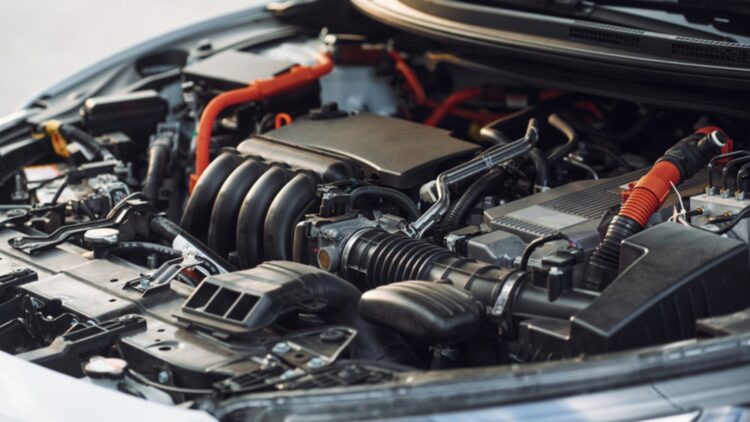
Something has changed in modern cars. In older cars, the oil drain plug was a metallic piece that could be used many times with no trouble, the only thing you needed to replace was a small rubber O-ring or a crush washer to keep it sealed. It was a simple and efficient system.
However, in modern cars this has changed. Today, there are many vehicles that don’t have the classic metal oil pans anymore, instead they are made with plastic. This change has made manufacturers use only plastic drain plugs. So, let’s find out more about his change.
Why modern cars use plastic oil pans
Cars manufacturers say there are some advantages like:
- Reduce production costs.
- Light weight, which helps save fuel.
- Low emissions, since lighter cars consume less energy.
This is why the behavior of a modern car’s engine (no matter if it’s European, American, or Japanese) is using more plastic pieces. Even though there’s a debate about if this is good or bad, this change seems to be unstoppable.
From metal plugs to single-use ones
The change to plastic oil pans also need another change: the design of oil drain plugs. The result was the introduction of single-use plastic drain plugs, but why? Well, the answer is very simple: to prevent oil leaks. Let’s see some reasons:
- When you reuse a plastic drain plug increases the chance of failure.
- These plugs rely on silicone O-ring that can harden, crack, or break down under the extreme heat cycles of an engine.
- Once the O-ring is damaged, oil can leak out of the pan.
So, if this happens, the oil can start leaking, causing annoying and costly losses. To avoid this, manufacturers require replacing the drain plug at every oil change.
Check the manual of your modern car
If you own a car made from the end of the 2000s, it’s probable that it contains a plastic oil pan. Some of the brands that include this are: Audi, Porsche, BMW, Mercedes-Benz, Volkswagen, Ford, Chevy, Dodge, GMC, Nissan, and Honda.
In all of these cases, the owner’s manual indicates that it’s necessary to replace the single-use oil drain plug during every oil change. So, the manual is important because:
- It can tell you if your modern car has a plastic oil pan.
- It explains how to remove and put the new plug.
- It warns you if you should tighten it by hand only (as with some Ford trucks, where using tools may damage the locking tabs), or if a special tool is required (as in certain Volkswagen and Audi models).
Costs and consequences
Reusing single-use oil drain plugs may seem very attractive to save money, but the risk of using them is very high. The silicone O-ring that seals the plug is fragile, and if it fails it can cause very serious leaks. This is what, even though buying a new plug costs just around $5, it’s way cheaper than repairing an engine with oil leaks.
Basically, spending a bit more money on every oil change avoids mechanical issues and higher expenses in the future.
Different opinions
Changing to single-use drain plugs has divided manufacturers, mechanics, and drivers:
- Some of them see this like a practical measure to adapt to modern materials.
- Others think it’s a strategy so that drivers spend more money on maintenance.
Yet, everything seems to lead to the success of this measure because it has come to stay. I mean, this is part of the evolution of the modern car, where the priority is to reduce the weight, costs and emissions. So, what’s your take on this?