
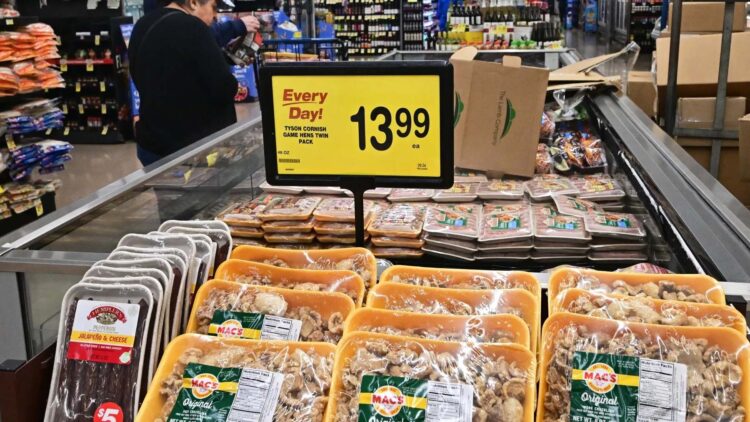
Inflation is increasing once again… American citizens are starting to notice that everything is more expensive: supermarkets, gas, and everyday products. After several months of stability, inflation is increasing again and it’s affecting families.
Between January and August, average inflation was 2.65%, but it has started to increase: from 2.3% in April to 2.9% in August. This might seem like nothing, but it means that prices of gas, food, and many essential articles are getting more expensive and that’s reducing household budgets. So, let’s learn more about this situation.
What’s behind the increase?
One of the main reasons for this new increase of inflation is the tariff policy implemented by President Donald Trump. Tariffs are taxes applied to imported products from other countries. When tariffs go up, imported goods become more expensive. Companies that bring these products into the U.S. now have to pay more, and in turn, they often pass these higher costs on to consumers — meaning shoppers end up paying more at the checkout.
According to Goldman Sachs analysis, until June companies had only passed about 22% of that increase to consumers. However, if current tariffs continue, that figure could reach 67% and increase even more the prices. This is one of the main factors that it’s boosting the increase of inflation in the U.S.
Reaching the current situation
During Joe Biden’s presidency, inflation reached a maximum level in 40 years after the pandemic. This happened for several reasons:
- Global supply chain problems made it harder to get products and materials.
- Energy prices went up sharply after international disruptions.
- And the government’s large stimulus spending during and after the pandemic increased demand for goods and services.
To control this price increase, the Federal Reserve raised interest rates to their highest level in more than 20 years. That made borrowing money more expensive, but it also helped slow down spending and bring inflation down.
By mid-2023, prices had finally started to stabilize. Inflation dropped from nearly 9% in 2022 to around 3%. But now, with the introduction of new trade tariffs, slower economic growth, and higher wages, inflation is starting to move up again.
Inflation and consumers
For now, the highest increases on prices are affecting food, house products and vehicles insurance, according to the U.S. Labor Department. Basic products like milk, bread, cleaning products, and packaged foods, have become clearly more expensive.
What’s more, energy prices (gas and electricity) are also starting to increase again, which increases even more the pressure on household budgets. In addition, families are facing higher rents and childcare costs, which makes it difficult to save or pay debts. Experts warn about the continued increasing of prices during the rest of the year if tariffs and global supply chain issues continue.
What could the Federal Reserve do?
The Federal Reserve, in charge of keeping economic stability and controlling inflation, is tracking the situation very closely. There were plans to cut interest rates later this year to make borrowing cheaper and encourage economic growth. However, if inflation continues to rise, those rate cuts may be delayed.
This means that borrowing money will stay expensive for a while. Things like loans, credit cards, car payments, and home mortgages will continue to have high costs. Families who were hoping for cheaper interest rates will probably have to wait until inflation clearly starts to fall.
The current situation
For now, American citizens are paying more for almost everything: from foods to gas and insurance. Even though current inflation is under the 9% that was reached in 2022, this new increase generates a sense of worry because the situation could continue longer than expected.
So, for the next few months, the huge challenge for the government and the Federal Reserve will be to reduce inflation without stopping the economic growth.