
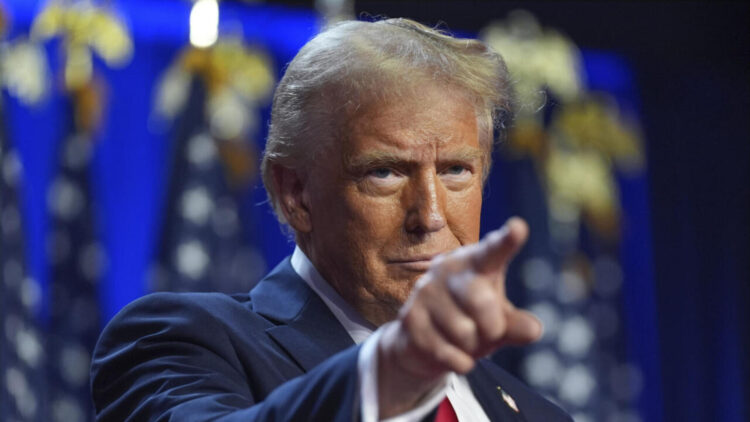
Trump is getting rid of incentives for electric cars! For years, electric cars were considered the future of sustainable transport and more people chose them because they helped the environment, used modern technology and were cheaper to maintain in the long term. What’s more, the incentives from the government (like discounts and tax credits) made them more accessible for the public. Brands like Tesla also helped electric cars become more popular and desirable.
However, according to Ford’s CEO, Jim Farley, this tendency is about to change. He warns that the market of electric vehicles in the U.S. could suffer a huge fall and one of the main reasons is: Trump’s Administration’s decision to remove the most important federal incentive for these vehicles. So, let’s find out more about this situation.
The rise and slowdown of electric vehicles
Electric vehicles became popular for 3 reasons:
- Environmental awareness: people wanted to reduce emissions and fight climate change.
- Technological progress: batteries became stronger and more reliable.
- Government incentives: tax credits made EVs more affordable.
Thanks to all of this, the market of electric vehicles rose incredibly fast. Many customers thought that paying a bit more at the beginning was worth it since they would save later because they didn’t need gas. However, after the huge success, the sales started to slow down because of:
- A lack of charging stations across the country made EVs less convenient.
- Hybrid cars, which use both electricity and gasoline, became more appealing to many consumers.
Yet, incentives from the government helped maintain the sales, but now with Trump’s new policy that will come to an end.
Trump and tax credit
For more than 15 years, people who bought an electric vehicle in the U.S. received a tax credit of $7,500. This program was passed by the government in 2008 and it was key to help electric vehicles compete against gasoline cars and encourage people to buy them. But, Trump’s government announced the definite removal of this benefit along with other federal budget cuts. This means that customers won’t have this discount anymore and electric vehicles will be more expensive.
Other countries already experienced something similar: in Germany, when the similar incentives were removed, electric vehicles sales drastically fell. This is why experts believe it will happen the same in the U.S.
Currently, electric vehicles represent about 10% of the market, but Ford’s CEO commented: “I wouldn’t be surprised if EV sales in the U.S. go down to 5%.”
“Customers are not interested in the $75,000 electric vehicle”
JIm Farley explained that many customers like electric cars, but they can’t afford them: “Customers are not interested in the $75,000 electric vehicle. They find them interesting. They’re fast, they’re efficient, you don’t go to the gas station — but they’re expensive.”
Without the benefit, the final price becomes higher and will make customers not even consider buying them. As a result, hybrid vehicles (the ones using gasoline and electricity) could become the favorite option for the public.
The future of the market
Having in mind this change, automotive companies will have to adapt. Ford, for example, had built plants thought only for electric vehicles but, now, it will have to use it to manufacture hybrid cars.
These changes in Trump’s government policies affect companies and the entire production chain. So, the industry should completely reorganize to respond to the new rules.
Environment
Trump’s decision to remove the incentive also has an environmental impact because less electric cars on the road means more polluting emissions, since more people will still use gasoline cars.
From the ecologist point of view, this represents a step back. However, there’s hope in hybrid cars to maintain part of the progress toward cleaner transport. What do you think about Trump’s decision?