
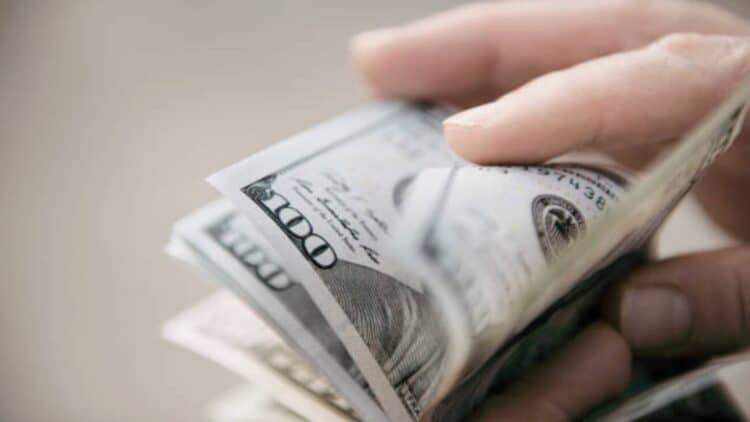
For some Florida workers the way in which minimum wages work could change. If the bill passes, not every worker from the state would have to receive the $14 per hour that is currently established as minimum.
The initiative was issued by the Republican representative Ryan Chamberlin, and it has already generated a debate about how fair it would be and the effects it could have on different types of workers, especially youngsters or people with not much of working history. So, let’s find out more about this change.
What the bill says
The measure is called HB 221, and it would allow some students and apprentices to voluntarily choose to earn less than Florida’s minimum wage, which is now $14 per hour in comparison to the $7.25 per hour of the federal minimum wage.
Normally, every worker in Florida must receive at least $14 per hour, but with the HB 221 there would be exceptions for workers who take part in special programs like:
- Study-and-work programs
- Internships
- Pre-training programs
- Other learning opportunities similar to apprenticeships
If workers decide to participate in these programs, they would have to sign a waiver giving up their right to the $14 minimum wage. However, they would still be guaranteed to earn at least the federal minimum wage of $7.25 per hour.
Why supporters say this is useful
Ryan Chamberlin considers this measure could benefit both workers and companies. According to his words, youngsters or workers with no working experience tend to experience difficulties when finding a job because companies can’t pay them $14 per hour while they are still learning.
Temporarily allowing the salary to be less for certain programs, says Chamberlin, could create more jobs, especially for workers who need experience or training. He also stated that the HB 221 could:
- Increase the number of jobs available to workers
- Lower labor costs for small businesses
- Expand the pool of workers available to employers
- Increase profits for small businesses
- Reduce the cost of living for consumers
Basically, supporters of this measure believe it would make the labor market more flexible and would give new workers or those with no working experience the chance to have their first job.
Workers who could earn less than $14
According to the HB 221, people who could receive less than the state minimum wage include:
- Students in study-and-work programs
- Interns gaining job experience
- Apprentices or workers in pre-training programs
- Participants in other structured learning opportunities
Stage of this project
The HB 221 is in the first stages of the legislative process. The project was introduced on October 17 in the Florida House of Representatives. Until now, it hasn’t been voted or processed, so it’s not clear if it will be passed or not. For now, the minimum wage of $14 per hour is still compulsory for every worker in Florida.
Those accepting less than $14
These workers must sign a waiver confirming that they voluntarily give up their right to the state minimum wage. Even if they sign, the law ensures they are still paid at least the federal minimum of $7.25 per hour.
The idea is to allow workers to gain experience and training, while employers pay a lower wage temporarily, which supporters argue could help both workers and small businesses.
So, whatever the result is, there is an important question for the future: how can we create more job opportunities without reducing the value of their work? We will see how this bill goes, but what’s your take on this? Do you agree this will bring more job opportunities? If so, is it fair for the ones doing the job?