
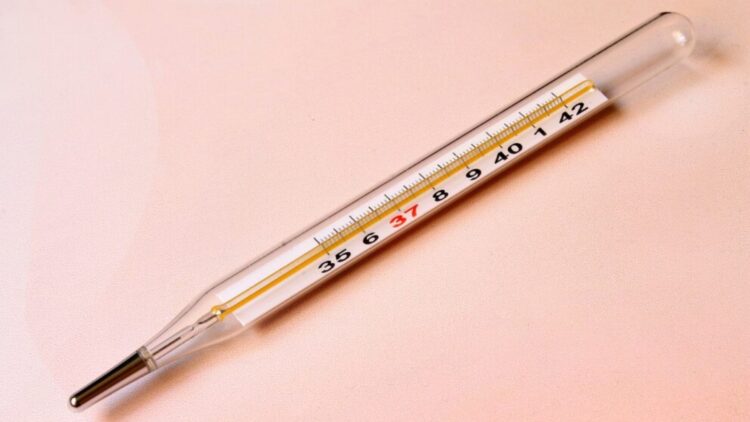
A video went viral because it shows something that many people don’t know: transport mercury thermometers on aircrafts can be extremely dangerous. At first sight, it might seem like a simple and common object, but it can cause serious harm on an aircraft due to the chemical reaction between mercury and aluminum (metal used to build most aircrafts). So, let’s explain in detail why this small item can be such a threat for air transport.
Mercury damages aluminum
When we travel on a plane, we know there are some items that are banned to transport: guns, flammable liquids, or dangerous tools. However, a few people know a mercury thermometer is also on that list because mercury is a liquid metal that can react very negatively against aluminum.
Commercial aircrafts are mainly made of aluminum because it’s a very lightweight metal and resistant. So, when mercury touches the aluminum, it creates what’s called amalgam corrosion which breaks down the aluminum making it fragile and crumbly instead of solid and strong.
Why does it happen?
Normally, aluminum is protected by a thin layer that keeps it safe from the air and outer substances, but if that layer breaks, mercury can directly touch the metal and the danger starts.
The most worrying thing is that his reaction can spread and damage bigger areas of the aircraft, even with a small amount of mercury. This is why the FAA and other aviation authorities have completely banned transporting mercury thermometers no matter what kind of luggage it is.
A real danger during the flight
The damage caused by the mercury is serious, but also fast. The process occurs even faster if there’s humidity (which is very often on a plane) both in the cabin or in luggage compartments.
Mercury works like a catalyst, meaning it keeps the reaction going again and again. Because of this, a single drop can weaken critical sections of an airplane, including the fuselage or even areas near the wings. Some lab experiments have proven that mercury can ‘’eat’’ aluminum until it becomes dust.
This is why mercury thermometers are not the only ones banned from transporting, but mercury barometers and similar tools too. Today, safer alternatives like digital or alcohol-based thermometers are used to avoid this chemical disaster at high altitude.
Safety and air transport system
The decision of banning mercury is directly related to safety on the air transport. Although it might seem exaggerated, a small mercury leak could cause a huge damage to the plane structure considering how this metal reacts on aluminum.
If you think safety rules on air transport are just bureaucratic rules, you should know that they are thought to protect passengers, the crew, and the aircraft.
Basically
Understanding why mercury thermometers are banned on airplanes completely changes how we see this everyday object. What seems like a harmless tool can actually start a chemical reaction capable of destroying the very metal that keeps an aircraft safely in the sky. It only takes a tiny drop of mercury to weaken aluminum and silently spread damage through the structure of a plane.
So the next time you notice a mercury thermometer at home, remember the surprising truth: its shiny silver liquid may look simple and harmless, but in the world of aviation, it can be one of the most dangerous substances of all. Who would have thought this thing we all have at home could have such a negative impact on aluminum? Well, now we know…
If you are travelling or you know someone who is about to, you’d better warn them to keep that mercury thermometer at home.