
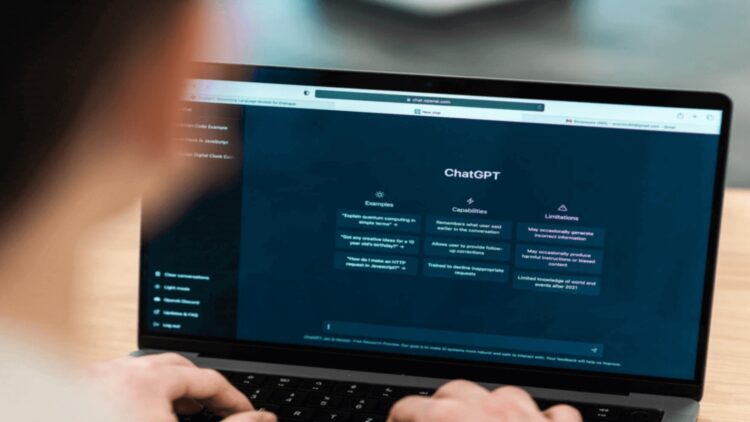
Artificial Intelligence (AI) is no longer science fiction or a luxury for tech experts. Today, AI is present in more and more aspects of our everyday lives: from internet searches to workplace tools, design platforms, and apps that can write or generate images in seconds. But beyond curiosity or entertainment, the real impact of AI will hit the job market.
AI expert and educator Jon Hernández made a bold prediction during an interview on the podcast La fórmula del éxito: “In two years, anyone who is not fluent in artificial intelligence will be out of the job market.” He is basically saying that this technological revolution is reshaping the way we work, and pretty fast. So, let’s find out more about this, shall we?
New job requirement
Not long ago, having a strong résumé meant listing things like a college degree, language skills, and experience with tools like Excel. Today, the important thing to know is how to use AI has become just as important.
Hernández stated that in only a few years, companies will expect employees to use AI tools as easily as they send an email. This doesn’t mean you need to be a programmer or data scientist. It means using artificial intelligence for everyday tasks like writing reports, analyzing data, managing schedules, creating content, or automating routine work.
The process is slow
Despite AI’s rapid development, Hernández admits that adoption in companies is slower than expected. Hernández believes this slowdown won’t last, because at some point companies will have to bring artificial intelligence into their everyday operations to stay competitive. But let’s see why this adoption is slow:
- Company mindset: Many managers are still unsure about trusting or investing in this technology.
- Startup costs: Bringing in new technology often means spending money upfront.
- Fear of change: Some businesses still use outdated systems, with workers who haven’t even fully adopted tools like Excel.
Prediction of the future
Hernández expects that in just two years, artificial intelligence will be everywhere in the workplace: “By 2025–2026, using artificial intelligence will be the norm. And if you don’t know how to use it (unless your job has nothing to do with computers) you won’t get hired.”
AI: Threat or opportunity?
It’s natural to feel concerned that artificial intelligence might replace jobs. But Hernández argues the real risk isn’t AI itself–it’s not knowing how to use it. The professionals who combine their human skills with the efficiency of AI will be the ones in highest demand.
In other words, artificial intelligence isn’t coming to take your job, it’s coming to take the job of the person who doesn’t know how to use it.
Let’s prepare
The good news is that learning artificial intelligence is easier than ever because we have access to free courses, tutorials, and simple platforms. The key is to start now and practice with different tools, so let’s see some easy steps:
- Try simple AI tools: Use text generators or virtual assistants to get used to them.
- Use it in everyday tasks: Let it help you write emails, create presentations, or review data.
- Think critically: To have correct and responsible answers, you should always check what artificial intelligence tells you.
- Go beyond work: Use it to organize personal tasks, pick up new skills, or even launch side projects.
So…
We’re moving into a time when AI will matter as much as computers or the internet did in the past. Learning to use it can open the door to better jobs, higher pay, and more productivity at work. So, you’d better start preparing because the future of work will depend on how well you adapt. As Jon Hernández warns, the countdown has already started and artificial intelligence will make you lose or keep your job.