
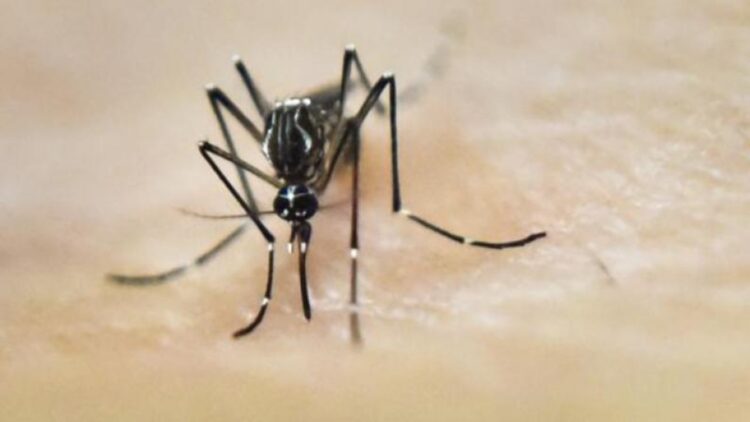
AI is helping us in many aspects of our lives. Now, the University of South Florida is using it to change the way we fight mosquito-borne diseases like malaria and dengue. With support from the U.S. National Institutes of Health (NIH), the project focuses on monitoring the Anopheles stephensi mosquito — a key malaria carrier found in Africa and even in parts of Florida.
By combining citizen science with advanced disease tracking, this initiative could reshape how these illnesses are detected and controlled, offering hope to millions in at-risk areas. It also allows faster, real-time identification of dangerous species, making it easier for health authorities to respond quickly. Could this be the key to stopping future outbreaks before they begin? Let’s find out.
AI trap for mosquitoes
A group of researchers from the University of South Florida (United States) has developed a mosquito trap that uses artificial intelligence (AI) to identify which of these insects transmit diseases such as malaria and dengue. This innovation allows tracking the spread of these diseases in real time and opens the door to more effective solutions to combat them.
Goal: eradicate malaria in the coming years
Thanks to this technology, experts hope that in the next five years strategies can be implemented to eradicate malaria, a disease that remains a major public health problem in many regions of the world. This would be a huge step in science and health, don’t you think so?
Controlling the mosquito Anopheles stephensi
The project, funded by the United States National Institutes of Health, also aims to stop the spread of Anopheles stephensi, a type of mosquito highly efficient in transmitting malaria and recently appearing in urban areas of Africa. The AI developed can accurately identify this species using just one image, which greatly facilitates its monitoring.
How does this technology work?
The system uses an algorithm that automatically analyzes key parts of the mosquito, such as the head, thorax, wings, and legs. In just seconds, it classifies which species the insect belongs to. No laboratories nor microscopes qill be need since the analysis could be done directly in the field or even from mobile devices, making the process faster and more accessible.
High-tech mosquito traps that track in real time
On top of the AI, the project also uses smart traps that lure in mosquitoes, snap photos of each one, and send the images to the cloud. From there, the system checks the pictures in real time to see if the mosquito belongs to a dangerous species like Anopheles stephensi. If it spots a threat, health officials get an instant alert so they can act fast and stop a potential outbreak before it spreads.
Democratizing science and improving surveillance
This approach not only speeds up the identification of disease-carrying mosquitoes but also makes these scientific tools available to more people. By combining artificial intelligence, citizen participation, and automated surveillance, the project seeks to create an early warning system for malaria that can be adapted to different vulnerable regions, including South Asia and states like Florida.
Implementation in Africa and international collaboration
Right now, this technology is being rolled out in countries like Nigeria and Cameroon, in collaboration with local partners and with plans to set up an “International Center of Excellence in Malaria.” There’s also an online platform, mosquitodashboard.org, where both citizens and field workers can upload mosquito photos from anywhere in the world. The AI processes the images automatically and builds a live, global map to track mosquito activity in real time.
A key role against global changes
In a context where climate change and urbanization are altering traditional patterns of disease transmission, the proposal from the University of South Florida shows how artificial intelligence can become a key tool to anticipate, contain, and eventually eradicate infectious diseases worldwide. Do you think this is a great use of AI?