
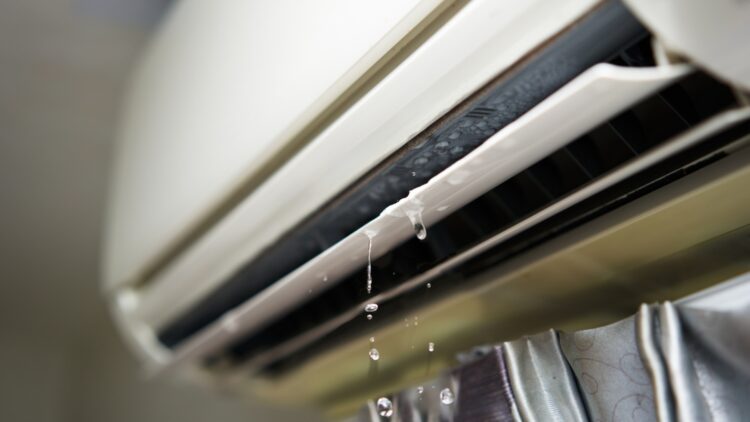
In summer, when the air conditioning works non-stop, many times we see some water drops constantly falling. This water tends to end up on the street or down the drain without being reused. However, what seems like a waste it’s actually a useful, free, and abundant resource because the air conditioning water is condensation: the humidity in the air cools down and turns into liquid.
Even though it is not potable, this type of liquid has some advantages: it contains no chlorine, calcium, or magnesium, and it’s very similar to distilled water. This means it doesn’t leave stains nor residue, it’s friendly with fabric and plants, and it can help reduce wasting potable water. Collecting it is simple: just place a clean container under the drainage pipe and keep the container washed regularly.
In this article we are going to tell you 5 simple ways to reuse the liquid your air conditioning produces. So, let’s get started!
1. Ironing without stains
The first use for the air conditioning water is in the steam iron. As it doesn’t contain minerals, it won’t clog the holes, and it prevents white marks on clothes. What’s more, it also extends the life of the iron and gives better results on delicate fabrics. So, no more using tap water!
2. Cleaning glass and mirrors
It’s also perfect for cleaning shiny surfaces because it doesn’t contain chlorine nor minerals, and the great thing? It won’t leave any marks on the surfaces. Just with a soft cloth, you can use it on windows, glass tables, and mirrors. This reduces the effort of cleaning and avoids spending money on additional products.
3. Car maintenance
The car also benefits from this resource since it can be poured into the windshield washer tank, since it won’t damage the car system because it doesn’t leave any residue. It can also be used in certain batteries that require distilled water. This way you can avoid the wear out due to accumulation of minerals that tap water does contain.
4. Humidifiers and vaporizers
In winter, when the dry air is a problem, humidifiers become crucial. So, using this air conditioning liquid on these devices makes them last longer because it avoids the internal scaling. Without impurities, the vapor they produce is cleaner, and the machine stays in good condition.
5. Caring for delicate clothing
Another way to make the most of this liquid is using it to wash delicate clothes. It can be used as a treatment or mix it with the detergent to boost its effect. The lack of minerals helps fibers being soft and have no residue, caring better for the most delicate clothes.
Not only for cleaning
You can use this liquid to grow indoor plants that prefer slightly acidic water (as in air conditioning one) like: like orchids, African violets, and ferns.
One thing you should have in mind is that experts recommend altering this liquid with tap water or adding fertilizers, because this liquid lacks the minerals need for complete growth. So, storing it in clean, covered containers allows you to save it for dry periods or times of water restrictions.
Environmental and economic impact
Collecting and reusing this air conditioner liquid is not only about saving money but also about helping the environment. Reusing 10 gallons a day can add up to more than 3,000 gallons a year. That means less tap water consumption, lower pressure on treatment plants, and smaller bills. The benefits are clear:
- Less use of potable water for non-essential tasks.
- Reduced energy costs for water treatment.
- Fewer chemical residues in outdoor cleaning.
- A step toward sustainable habits in the city.
How to start using it
No special equipment is required. Just follow these steps:
- Place a bucket under the drainpipe.
- Try it first in your iron or to clean glass.
- Then use it for plants, humidifiers, or the car.
- Store the liquid in covered containers.
- Track how much your tap water use goes down.
So, next time you see the steady drip from your AC unit, remember: every drop is a chance to save money and help the planet.