
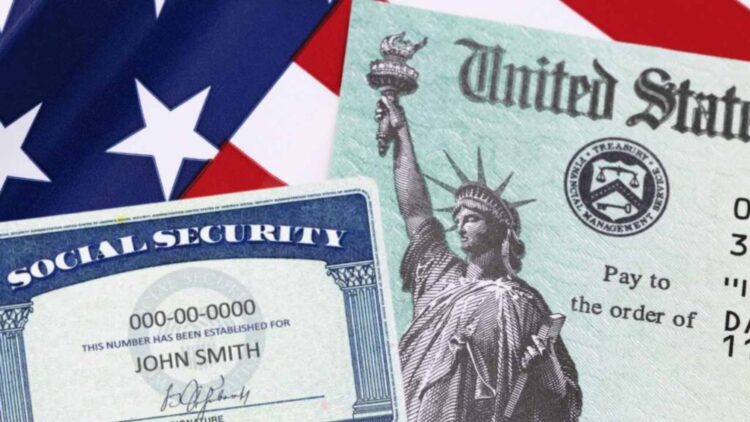
Millions of Americans will receive payments in November that could reach up to $4,000, even if the government shutdown continues. These payments come from the Social Security Disability Insurance (SSDI) and Supplemental Security Income (SSI). The thing is that these payments won’t be stopped, they will be sent as always.
These benefits already have funds set aside, which is why they are considered ‘’shutdown-proof’’. This means they don’t depend on what happens with the government on a daily basis.
The Social Security Administration (SSA) confirmed the payments will be sent as usual, without any changes on the schedule. So, let’s find out more about these payments of this month of November.
How SSDI payments will be sent
The great news is that the SSDI payments will be sent automatically and most people receive them in two ways:
- Direct deposit on a bank account.
- Direct Express debit card.
Since the entire process is automated, there won’t be any delay. So, the day Americans will receive their payments depends on the day they were born. Here’s the November schedule:
| Birth Date | Payment Date in November |
| Born 1st – 10th | Wednesday, November 12 |
| Born 11th – 20th | Wednesday, November 19 |
| Born 21st – 31st | Wednesday, November 26 |
However, some Americans receive their payments on the 3rd of every month. Let’s see who will experience this:
- People who started receiving benefits before May 1997
- People who receive SSDI along with other Social Security payments
SSI payments in November
These payments will also be sent as usual, the 1st of every month. But, as you may have experienced, this past November 1 was a Saturday and, what happens in this case? The payments were sent one day before, so Americans received the November SSI payment on October 31. Therefore, they shouldn’t expect any SSI payment this month.
So, next time your payment is scheduled for a weekend or federal holiday, now you know what will happen: the same as it did for this November 1 payment.
Why payments could be higher
The SSDI payments include a 2.5% increment due to the cost of living adjustment (COLA). This increment started in January and it will continue up until December. The goal is to help Americans face higher prices caused by inflation. Now, you must be wondering how much is going to be sent, right? So, let’s have a look:
- The maximum monthly SSDI payment can be as high as $4,018 per month.
- The exact amount depends on each person’s work history and earnings before disability.
About 8.9 Americans will receive the SSDI in 2025, the total of these payments are more than $14 billion each month.
What to do if the payment doesn’t arrive on time
Even though delays are not expected, the SSA recommends to wait 3 additional days if:
- The check was sent by mail.
- There are postal delays.
- A bank needs extra time to process the deposit.
If after these 3 days you don’t receive the payment, you should contact the Social Security office.
Importance for millions of Americans
Many Americans depend on the SSDI or the SSI to pay essential expenses such as:
- Rent or housing
- Food and groceries
- Medical needs
- Household expenses
So, the fact that these payments won’t be delayed no matter what gives Americans the feeling of safety and calm, mostly in a time of economic uncertainty or possible government shutdown.
We hope this was helpful to know how your payments work and how the process of sending them is done. In case you have any doubt, you should definitely go to the SSA official website to find what you specifically need.