
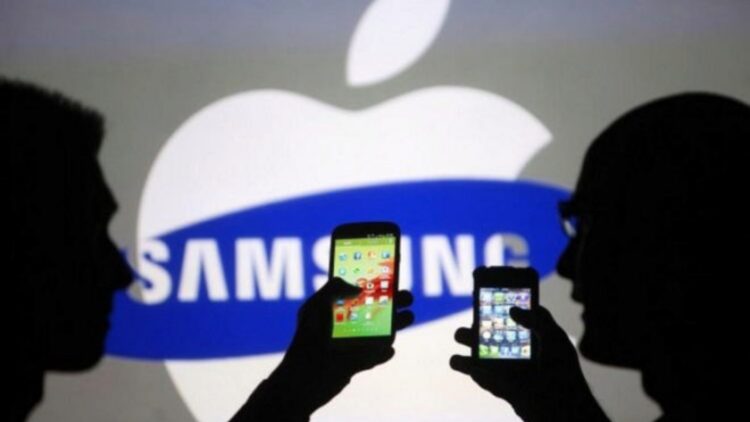
A historic lawsuit is being prepared in the United Kingdom that could force Apple and Samsung to pay up to 480 million pounds in compensation to consumers who have been overpaying for their phones for years.
The complaint has been filed with the Competition Appeal Tribunal and accuses the two giants of applying abusive practices to artificially increase the prices of their smartphones, wow. Basically, they manipulated the market in their favor to keep prices high in a coordinated way, harming buyers for more than a decade (are we sure this only happened in the UK?).
Millions of users who bought an iPhone or a Samsung Galaxy between 2015 and 2022 could receive compensation without having to file individual claims, and it would also be one of the largest tech payouts in Europe.
What are they demanding?
The lawyers leading the case argue that Apple and Samsung kept prices artificially high, avoided discounts, and controlled the market as if they were a monopoly. Apparently, this strategy goes against UK competition law, which prohibits any coordination that distorts the free market. They got caught.
Who could benefit
It is believed that more than 20 million people could be entitled to a share of the compensation. Even if it’s not much, it’s something. Anyone who bought an iPhone or Samsung Galaxy during the specified period could join this class action.
The amount each person receives will depend on the total number of claimants and the model of phone they purchased.
Changing the game
This is not just another lawsuit against big tech. This case could set a precedent for the European smartphone market. If the court rules in favor of consumers, it could open the door to similar lawsuits in other countries, forcing companies to be much more careful with their pricing strategies.
Apple and Samsung defend themselves
As expected, both companies have strongly denied the accusations. They say their prices reflect the real value of their products (sure, the same as what’s paid for coltan extraction), innovation, and market conditions, and that they have not broken any laws.
But the lawyers behind the lawsuit claim to have documents and economic analyses showing a coordinated pattern, and they intend to convince the court with this evidence.
What happens now?
The case is still in its early stages. The Competition Appeal Tribunal will have to decide if the class action can formally move forward. If it does, it may still take years before a final ruling.
The good news is that consumers won’t have to take individual action because the compensation would be distributed automatically to those who qualify, as has happened in other collective lawsuits in Europe.
Meanwhile, this case is another example of how class actions are gaining strength across the continent. Regulators and citizens are less willing to let abusive behavior slide, and this legal action could become a symbol of this new era.
Enough of big brands taking advantage of us and our need for technology to feed themselves.
To sum up:
- Almost 29 million Britons could receive £17 each.
- Qualcomm is accused of anti-competitive practices between 2015 and 2024.
- Apple and Samsung are accused of inflating their prices.
- The trial began in London and will last about five weeks.
- If Which? wins, £480 million will be claimed to compensate those affected.
- Qualcomm denies the accusations and has already been fined in the EU for similar cases.