
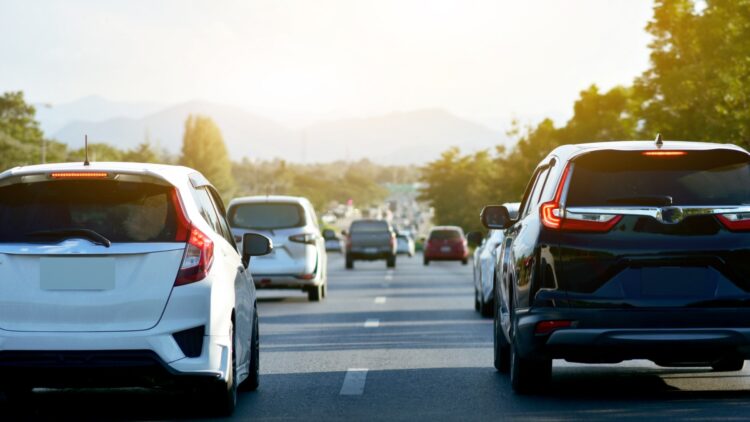
Australia is set to introduce one of the strictest regulations in the automotive industry, which will force brands to withdraw several popular models from the market. That’s right. From March 1, 2025, this change will affect thousands of drivers because vehicles that do not comply with the new safety regulations will be banned! The implementation of the ADR 98/100 regulation will require all new cars to incorporate autonomous emergency braking (AEB), a technology designed to reduce traffic accidents. We tell you everything we know about this measure and what the reactions to its regulation have been.
What’s happening in Australia?
Basically, in Australia there are rules that all cars must follow in order to be sold or driven in the country. These rules are called Australian Design Standards (ADR) and they ensure that vehicles are safe, don’t pollute too much and generally perform well. Before a car can go on the road, it must meet these standards, which include things like safety systems, emissions control and performance quality.
What is ADR 98/100?
As we mentioned, the Australian Design Rule (ADR) regulates the safety and environmental performance of vehicles in the country. The new ADR 98/100 standard is based on UN Regulation 152 (which has already been implemented in Europe), and requires all new cars to incorporate AEB as standard. The AEB system detects risky situations and intervenes if the driver does not react in time, reducing collisions or minimising their severity. Studies by the Monash University Accident Research Centre indicate that AEB can reduce the risk of vehicle injuries by 28% and rear-end collisions by 40%.
Which models will be affected?
There are several and we will leave you the list here:
Cars withdrawn from the market according to the Australasian Fleet Management Association (AfMA).
- Fiat 500 and Abarth (petrol versions)
- LDV G10 and V80
- Mahindra Pik-Up
- Mitsubishi ASX, Eclipse Cross and Pajero Sport
- Renault Kangoo and Trafic (old versions)
- Suzuki Baleno, Ignis and S-Cross will also be withdrawn from the market.
Luxury and sports cars that will not be spared will be Aston Martin DB11 and DBS, Lamborghini Aventador and Huracán and Porsche 718 (some versions)
What is AEB?
Autonomous emergency braking (AEB) is a system that automatically brakes the car if it detects a potential collision and the driver does not react in time. It is clearly a great improvement in road safety for all users. Why is it important? Because it can reduce injuries inside a car by up to 28%, and reduce rear-end collisions by 40%. RACV supports this new law that will make AEB mandatory in all cars because they believe that the safety of drivers is more important than the profits of dealers. Similarly, they continue to pressure the government to approve more laws that help reduce accidents and deaths on the road.
What will be the consequences?
First of all, the price of cars will increase, because adapting to this regulation will require new technology that will make cars a little more expensive. On the other hand, it is good because this measure will align Australians with international road safety standards, and lastly, of course, it will reduce accidents and therefore the number of accidents on Australian roads will decrease.
Summarizing the information
| What’s happening? | Why? | How does it affect drivers? |
| New rule in Australia: From March 2025, all new cars must have Automatic Emergency Braking (AEB). | To make roads safer: AEB helps prevent accidents by stopping the car if the driver doesn’t react in time. | Safer cars = fewer accidents Higher prices = cars may cost more |
| Car brands must update models or stop selling those that don’t meet the rule. | Australia wants to follow Europe’s safety standards. | Some models will disappear (like the Suzuki Ignis) and be replaced by new ones (Suzuki Fronx). |