
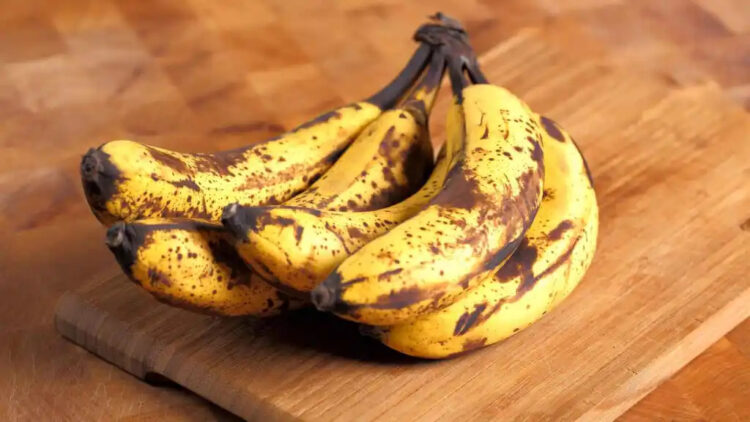
If you’re one of those people who buy bananas by the dozen, you’ve probably felt the pain of watching them turn black. It’s such a delicious, practical fruit… but it doesn’t last long at all.
You’ve surely experienced it: you buy them green, and two days later they’re covered in black spots. Well, it turns out we’re not storing them correctly.
Here’s a very simple (and natural) way to keep them fresh for longer!
Putting them in the fridge?
This is a classic, but you should know that putting bananas in the fridge actually ruins them even more. They’re tropical fruits, used to warmth and good temperatures. When you chill them too much (1°–4°C), they suffer cold damage, start turning black, and lose that sweet touch.
The cold interrupts the natural ripening process, so they look frozen in time, but inside they’re no longer tasty.
Only put them in the fridge if they’re already very ripe, they’ll last a couple more days, but they’ll keep ripening anyway.
Where do you store your bananas?
If you keep bananas with other fruits, there’s your problem, you can’t mix them.
Apples, pears, avocados, and even tomatoes release ethylene (a natural gas that causes ripening), so just being close to them can make bananas ripen faster. Add humidity to that, and you might even get mold or fungus.
What’s the perfect place?
Bananas are like humans, they like a mild, ventilated environment, no cold or direct heat.
The ideal is to keep them in a cool, dry place between 18 and 22°C, away from sunlight and heat sources like ovens or radiators.
Hanging
Just like you see them in your local fruit shop, if you hang them on a holder, they’ll last much longer.
This way they don’t bruise or get squashed, and air can circulate between them. Believe us when we say that hanging them helps them keep both texture and flavor.
Home tricks:
Be a true banana caretaker:
- Separate them from the bunch.
- Each banana emits ethylene from its stem, and if they’re together, they accelerate each other’s ripening. Separating them slows that process.
- Wrap the stems with a bit of plastic wrap or aluminum foil to create a barrier that slows down the gas emission.
- Don’t place them near the sink or inside plastic bags. Excess moisture invites mold.
- Greener bananas keep better at room temperature, and the very ripe ones… perfect for smoothies or banana bread!
Banana color guide
Green = more starch, less flavor.
Yellow with spots = sweet and perfect.
Black = not dead, just ideal for cooking.
And don’t be a “fruit snob”, those “ugly” bananas still have essential nutrients (potassium, magnesium, and vitamin B6). So before throwing them out, think banana bread or homemade smoothie.
Your new favorite recipe
Since we’re talking bananas, here’s our favorite banana pancake recipe:
Ingredients:
- 2 ripe bananas (the ones no one wants anymore, they’re the sweetest)
- 4 tablespoons of wheat flour (you can use oats if you prefer)
- 1 teaspoon baking powder
- 1 teaspoon ground cinnamon (optional)
- 1 pinch of salt
- 1 teaspoon vanilla (optional)
- Oil or butter for cooking
- Mash the bananas in a large bowl with a fork until they’re like puree.
- Add the eggs and beat well until combined.
- Add the flour, baking powder, salt, cinnamon, and vanilla. Mix until you have a thick but smooth batter.
- Heat a nonstick pan with a bit of oil or butter.
- Pour small portions of the mixture (about one large spoonful per pancake).
- Cook over medium-low heat for 2–3 minutes on each side, until golden.
- Serve hot with honey, syrup, yogurt, or fresh fruit.
So now you know: next time you buy bananas, give them their space, treat them with care, and when you think they’re no longer good: pancakes!