
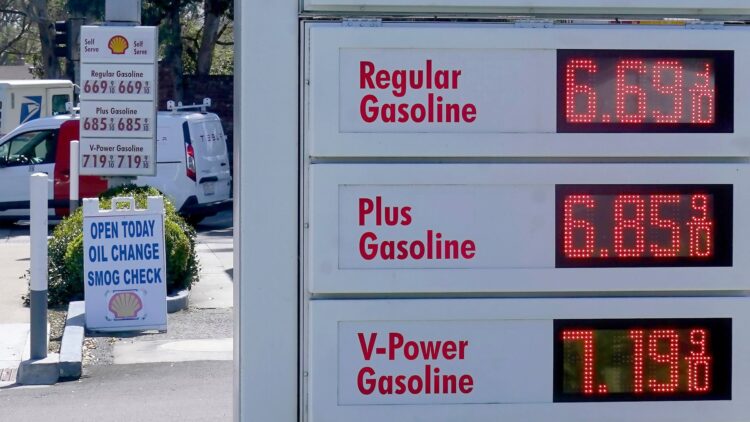
Worried about gasoline prices? Well, I’m afraid in California this could get even more expensive in 2026… California is the place known for Hollywood, Silicon Valley, its beaches, and its parks; but there’s another title that is less attractive: the state with the most expensive gasoline in the U.S.
A new report warns that this situation could even get worse next year since gasoline prices could reach $8 per gallon. Of course, this worries many people because in California millions of people use the car everyday to go to work, to school, or just to move around cities. So, let’s find out why this could happen and the possible consequences.
Refineries closing in California
One of the main issues is that two important refineries are going to close: Phillips 66, in Los Angeles; and Valero, in Benicia. Both represent almost 20% of California’s refining capacity. This means that although the state consumes more than 13 millions of gallons of gasoline per day, there will be less places to produce it.
If the demand keeps the same way, but production is lower, you know what will happen, right? The price of gasoline in California will increase. Imagine bakeries in your city start closing, people will still need bread but there are less products, therefore, it becomes more expensive.
Environment in California
Another key factor is environmental rules. This state is a pioneer when it comes to laws to reduce pollution. Let’s see how do they do it:
- The cap-and-trade program, which limits emissions.
- State taxes on fuels.
- The low carbon fuel standard (LCFS).
These rules are great for our planet because it means less gas emissions, but they also make companies spend more money on producing gasoline. And who are the affected ones in the end? Exactly, us. We are the ones facing an extra cost on gasoline.
In fact, one of the reasons for Valero to close was the fines and California regulations, which made it impossible to do business in the state.
Imported gasoline
As we mentioned before, there will be less refineries, so California will have to depend on gasoline from other places like the Gulf of Mexico, Texas or Asia. So, California will have to pay for:
- Shipping by tanker ships.
- Extra storage costs at ports.
- Energy security risks, since relying on others makes the system weaker.
What’s more, if a hurricane, a strike or an international conflict happen, the supply could be delayed and prices could increase even faster.
How does this affect people from California?
California drivers already pay for the most expensive gasoline in the country. So, if this product reaches $8 per gallon, I’m afraid filling up your car will become a difficult task. However, this won’t only affect drivers, but also:
- Truck drivers will pay more for fuel, making transported goods more expensive.
- Groceries and products will rise in price at stores.
- The overall cost of living in California, already one of the highest in the country, could get even worse.
As you can see, this will have a negative impact on the economy of the entire state…
Solutions
You might think that there must be something the state could do to make this situation the least damaging as possible. That’s what experts are trying to do by proposing ideas such as:
- Give incentives to keep refineries open.
- Adjust some regulations to lower costs.
- Speed up the adoption of electric cars and clean energy.
However, putting these solutions into practice is not as easy as it might seem, they need money and time. So, it’s not very clear if they will be implemented before 2026. Let’s hope a solution is closer than we think and we don’t have to experience the horrible situation that could lead to an economic issue.