
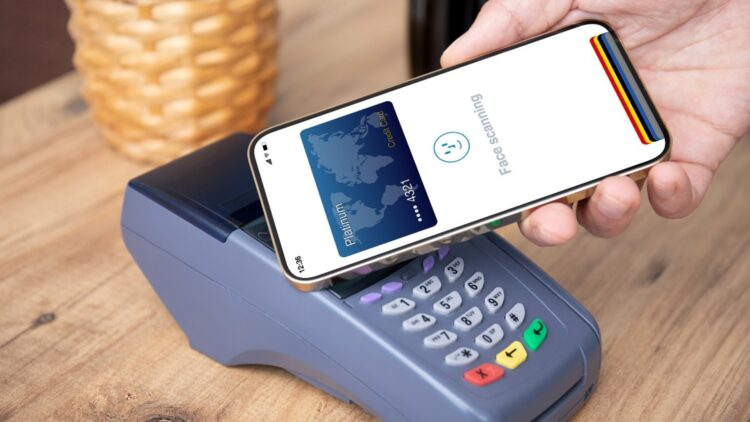
It is becoming less and less common to see coins on the ground when you walk down the street, right? That is because we are using cash less and less, and Australia has noticed it. Nobody wants to pay with bills anymore, we have gotten used to paying by card, with our phone, or with watches. Coins already bother us in our pockets. We went from paying with bills and always carrying at least a couple of coins to saying “card, please”.
Digitalization, the pandemic, and the boom in electronic payments have changed everything we knew, and it seems there is no turning back. Experts believe that before 2030, the entire country could function perfectly without any cash payments at all. And what does that mean?
Paying in cash feels strange
In 2007, around 70% of payments in Australia were made in cash, like almost everywhere in the world. But in 2022, that figure dropped to around 13%. And let’s be honest, it is more comfortable to pay by card, not having to wait for change or count in case the cashier makes a mistake. You tap a button on your phone, verify your identity, and pay.
Nobody is surprised anymore
In supermarkets, public transport, or small shops, paying with your phone or even your watch is the most normal thing in the world. In fact, for some of us it feels strange to pay with cash. Physical money is starting to feel uncomfortable and slow, we have lost the habit of counting coins.
Does cash have an expiration date?
As we were saying, they believe that by 2030, 100% of payments will be online. It does not mean that bills will disappear or that stores will stop accepting them, but they will be reduced to very exceptional cases.
And what about older people?
That is the exceptional case. Young people have grown up already surrounded by screens, but for older people technology can be difficult.
Aware of the speed of change, the Australian government has required that supermarkets and gas stations must accept cash for in person purchases of up to 500 Australian dollars. Older people also have the right to make their purchases even if they do not get along with technology. But it is not a definitive solution because, as they say, the pace is already set. It is only a transition cushion to avoid financial exclusion.
Is living without cash a good thing?
Here some will have one opinion and others another. There are advantages, and many of them. Lower management costs, less underground economy, and it is much more comfortable for consumers because payments are fast and automatically recorded.
But… being honest, we know what happens when we do not know how much money we have, right? Overspending without being aware of what we are spending, and opening the doors of our lives to banking hackers, we can never forget about them.
What happens if the system fails?
It could happen. There could be a blackout and you would not be able to pay absolutely anything because electronic services would not work. Money is not just a payment method but a right of access, so to make this “transition” several scenarios will have to be considered before deciding, don’t you think?
Australia for the world
What is happening here is not only happening here. It is something that is happening practically all over the world, a world that is no longer used to carrying coins in its pockets, which is why you no longer find them on the street. Cash is not going to disappear tomorrow, but the future already seems destined to be digital, even if we can still see the cracks. What do you think?