
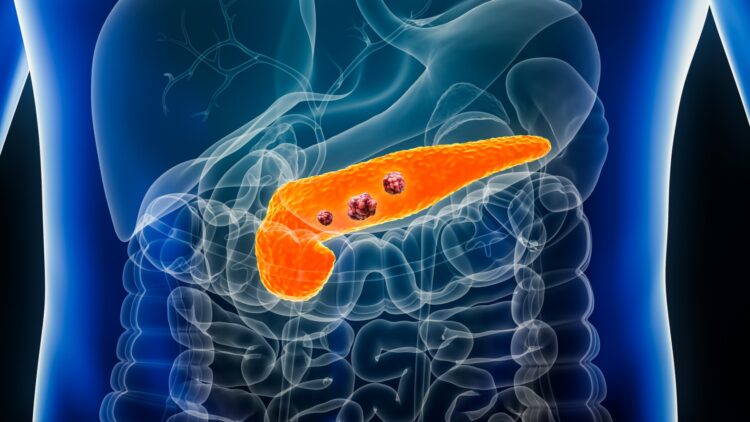
The word “cholesterol” is probably familiar to all of us. We always hear it in relation to health problems, and it is often related to heart problems, clogged arteries or very restrictive diets. We also often hear it in advertisements for healthy foods or similar, but what many do not know is that this compound can be directly related to diseases as devastating as pancreatic cancer.
It is known as the “silent enemy” because our body produces it naturally without us realizing it, and it becomes a problem when its levels are completely out of control. Are we really aware of the problem that cholesterol causes in our body?
Cholesterol, how do we know it is bad?
When we think of cholesterol we know that there are two types: “good” and “bad” (LDL), which is the protagonist of this article. This protein sticks to the walls of the arteries, preventing blood flow from flowing properly, and recent discoveries have shown that this lipoprotein also plays a key role in the proliferation of pancreatic cancer.
What makes pancreatic cancer so dangerous?
This type of cancer is also known as pancreatic ductal adenocarcinoma (PDAC), and it is one of the most aggressive cancers to date. Its main problem is that it hardly shows any symptoms, and when it is finally diagnosed, it is at such an advanced stage that it is very difficult for its symptoms to subside…
And this is where LDL cholesterol comes into play, which is blamed for most heart diseases, but we now also know that LDL “prepares” the ground for cancer to develop, this is because the molecules accumulate tissues that feed the tumour cells (which helps them continue to grow)
How? Does cholesterol help cancer?
It was Vicenta Llorente, a researcher, who discovered that LDL tends to get trapped in the tissue of the pancreas, and it is here that the molecules are converted into energy (as if malignant cells had infinite fuel to continue growing and expanding). This discovery is vital to understanding how pancreatic cancer develops (and to be able to prevent it as much as possible).
And it must be remembered that this is one of the greatest challenges in the field of oncology, with a five-year survival rate of less than 9% and being the third cause of cancer-related death in developed countries…
Tips to reduce cholesterol:
- Always choose healthy fats (such as olive oil, nuts or avocados) and increase your fiber intake.
- Exercise regularly, at least 30 minutes a day. You don’t have to go all out at the gym, just going for a walk will do the trick.
- Lose weight if necessary.
- Avoid tobacco and alcohol.
- Take natural supplements (omega 3, garlic and margarines).
- Consult your doctor if necessary to get diet or medication recommendations.
Can this cancer be stopped?
This is exactly what these scientists from the Cardiovascular Diseases area of CIBER (CIBERCV), the Barcelona Biomedical Research Institute (IIBB-CSIC), the Sant Pau Biomedical Research Institute (IIB Sant Pau) and the Hospital del Mar Medical Research Institute (IMIM) are trying to investigate.
One of them they are trying to investigate is anti-LDL peptides, which could prevent these molecules from accumulating in pancreatic tissue. By blocking this process, cancer cells would have less energy to grow.
It is still too early to know what the results of this research will be, because it is in the early stages, but isn’t it hopeful? It could be the first step that marks the before and after in the fight against this cancer.
For now, we will have to wait to see the first results, but we can prevent greater evils by controlling cholesterol levels in our body.