
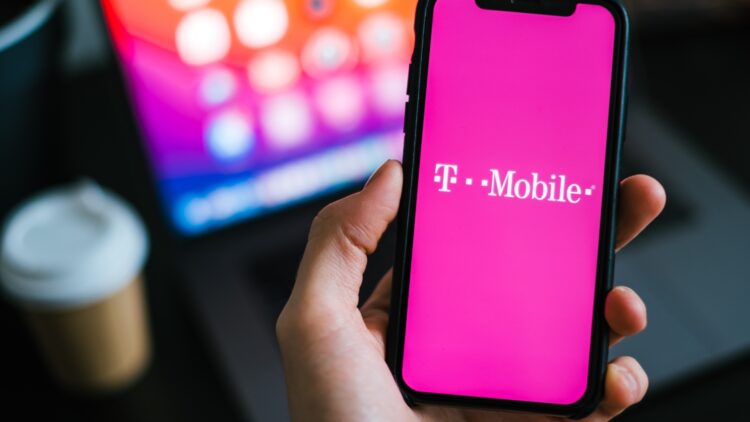
Have you ever received a bill that you didn’t fully understand? And even worse, have you received several? Without knowing if it’s a tax, a new type of rate or a mistake, you simply don’t question it because you don’t understand it, but now, 23 consumers have taken T-Mobile to court over this case, a class action lawsuit that is causing a lot of talk
Class action lawsuit for deceptive prices
That’s right. T-Mobile, one of the most recognized telecommunications companies in the United States, is in the middle of a legal fight. 23 customers have filed a class action lawsuit against the company claiming and accusing it of deceptive practices (with hidden charges disguised as mandatory fees)
What is the customers’ claim?
Have you heard of the charge known as the “Regulatory Programs and Telco Recovery Fee (RPTR Fee?)?” Well, according to the plaintiffs, this charge appears on the invoices as if it were a fee imposed by the government, but it is not! It is just a camouflaged price increase that the telecommunications company has used to get more money from its customers!! So, when customers realized this, they have felt quite vulnerable as consumers and have decided to class-action lawsuit against the company.
What is a class action lawsuit?
A legal process in which a group of people with the same problem join together to file a case against a company in order to save on court costs. Instead of each person filing their own lawsuit, they all seek a solution in a single trial. This makes the process more efficient and allows people who might not be able to take on a large corporation alone a chance to be heard.
What has T-Mobile responded to this accusation?
The company has washed its hands of the situation and has pointed out that this fee is described on its website as part of the network infrastructure and not as a government tax, but that is not the case. The fact is that the company has implemented this charge without notifying consumers, which further aggravates the accusations of unethical behaviour.
So what are the plaintiffs asking for?
The lawsuit not only wants the affected parties to receive money, but also for T-Mobile to foot the legal bills. But there’s a catch: T-Mobile’s terms and conditions say that customers can’t participate in class-action lawsuits or jury trials. Instead, any disputes must be resolved through binding arbitration (customer and company agree to have an impartial person make a final decision), which is a private and more limited process.
So unless customers can prove that arbitration is unfair… it doesn’t look like the lawsuit has much of a future.
From now on we will have to be careful with the terms and conditions that we accept from companies, and, above all, we will have to carefully examine all the receipts that arrive in our name. Who knows if some company is taking advantage of our ignorance?